


The Asian Scientist 100
Lu Ke

Institution
Chinese Academy of Sciences
Country
China
Field
Materials Sciences
Lu is the winner of the 2020 Future Science Prize (Physical Science Prize) for discovering and synthesizing a superior nanotwinned structure and gradient nanostructure.
(Photo: Future Science Prize)
AWARDS
- Future Science Prize 2020
Related articles
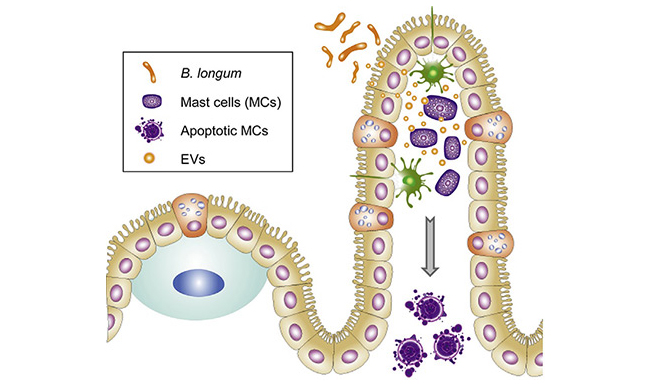
Probiotics Reduce Food Allergy Symptoms In Mice
A protein found in a common probiotic has been found to reduce the effects of egg allergy in mice, opening up possibilities for therapeutic applications.

Gene Linked To Autism Found
Researchers have identified that the PX-RICS gene is responsible for autism found in more than half of patients with Jacobsen syndrome.
Polyphenols Soften Alcohol’s Impact On Liver
Compounds found in wine and whisky reduce the harmful effects of ethanol on the liver, study shows.

This Gene Helps Plants “Breathe” At Night
In plants, the AOR gene protects against toxic byproducts of nighttime respiration—and could be used to help plants grow in stressful environments.

Autophagy Pioneer Yoshinori Ohsumi Receives 45th Rosenstiel Award, 15th Wiley Prize
In recognition of his groundbreaking work into autophagy, Ohsumi has been awarded the prestigious Rosenstiel Award and Wiley Prize.

Lack Of Protein In Brown Fat Linked To Obesity
Mice lacking the TRPV2 protein in their brown fat are more susceptible to obesity—presenting an intriguing approach to obesity treatment in humans.

Switch Off For Earth Hour Tonight At 8:30pm Local Time
The World Wildlife Fund for Nature's Earth Hour movement hopes to shine a light on climate change by encouraging people around the world to switch off non-essential lights for an hour tonight.

Asian Bats More Resistant To Deadly Fungus Than US Counterparts
Mysteriously, bats in China are much more resistant to a fungal infection which has wiped out millions of their North American counterparts. Why?
Brain Tissue Like You’ve Never Seen It Before
Researchers have developed a technique to image the delicate structures deep within the brain, which could help increase our understanding of cognitive disorders.