


The Asian Scientist 100
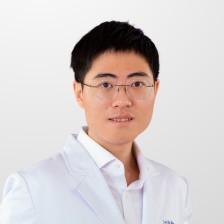
Hei Ming Lai
Institution
The Chinese University of Hong Kong
Country
Hong Kong
Field
Biomedical Sciences
Lai won the 2024 Croucher Tak Wah Mak Innovation Award for leading research in creating a 3D spatial multi-omics platform for clinical diagnostics and spatial biology research.
(Photo: The Chinese University of Hong Kong)
AWARDS
- 2024 Croucher Tak Wah Mak Innovation Award
Related articles
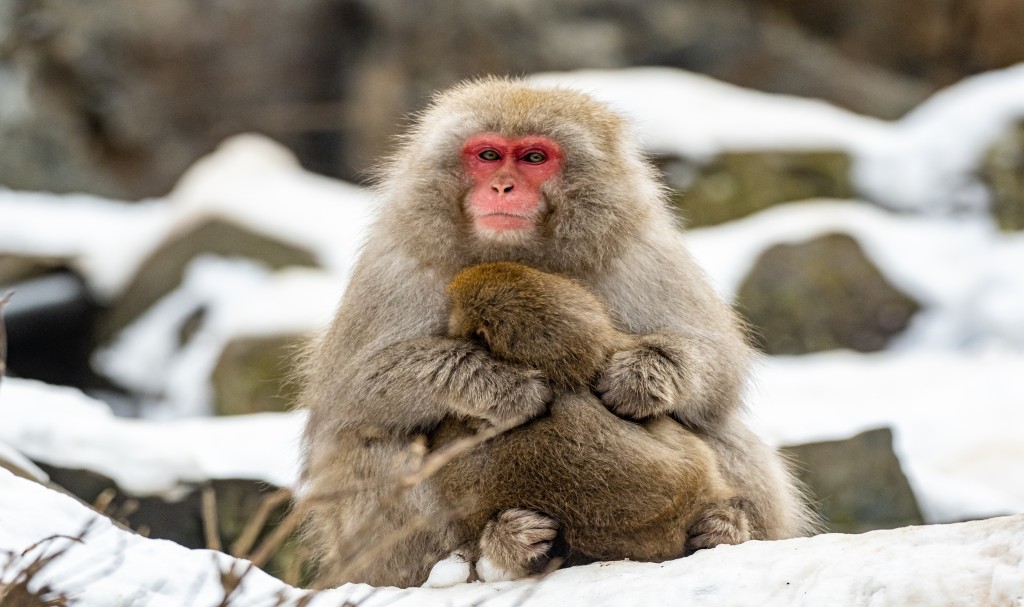
Japanese Macaques May Mourn Their Loved Ones Like Humans
The macaques remain close to and care for their dying companions, echoing human responses to death.

Oral Bacteria Linked To Heart Rhythm Disorder
Oral disease bacterium Porphyromonas gingivalis can sneak through lesions in gums and travel through the bloodstream to infect heart tissue.

The Equalizers
Across Asia, people with disabilities are breaking physical and social barriers to STEM fields, opening the way for others.

Learning From Environmental Defenders
Drawing on traditional knowledge systems, environmental researchers and policymakers in Asia are working with indigenous communities to design better strategies for environmental conservation.

On The Evolution Of Orchids That Never Bloom
A rare occurrence in the wild, exclusive self-pollination is an evolutionary strategy that may lead to extinction.

Scientists Map Stomach Tumours To Personalize Cancer Treatment
This discovery could lead to targeted cancer treatments that improve survival rates and reduce side effects.

Oceans Hold Key To Forecasting China’s Prolonged Summer Rains
Temperature fluctuations in the tropical Pacific and Indian Oceans are linked to 85 percent of persistent summer rainfall in China.

Making Precision Medicine Equitable
Researchers and policymakers in Asia are trying to make medical research more inclusive to better serve the region’s diverse communities.

Antibiotic Resistant Bug Found in Retail Chicken In Bangladesh
E. albertii is known to cause gastrointestinal diseases in humans, such as watery diarrhea, abdominal pain, vomiting and fever.