


The Asian Scientist 100
Hei Ming Lai

Institution
The Chinese University of Hong Kong
Country
Hong Kong
Field
Biomedical Sciences
Lai won the 2024 Croucher Tak Wah Mak Innovation Award for leading research in creating a 3D spatial multi-omics platform for clinical diagnostics and spatial biology research.
(Photo: The Chinese University of Hong Kong)
AWARDS
- 2024 Croucher Tak Wah Mak Innovation Award
Related articles

Japan’s Invasive Raccoons May Be Spreading Food Poisoning Bacteria
A genetic analysis of river water, wild raccoons and human infections suggests Japan's invasive raccoons may help spread Escherichia albertii, a foodborne bacterium linked to severe illness.

Too Cool To Care? Air Conditioning Weakens Climate Action Support
Study finds that the more people rely on air conditioning to stay cool, the less likely they are to support broader efforts to cool cities and cut energy use.

Dopamine Loss Linked To Alzheimer’s Memory Decline
Restoring dopamine signalling reversed memory deficits in mice with Alzheimer's disease.

Ultrathin Solar Cells Could Turn Building Windows Into Power Generators
Using a thermal evaporation process, scientists created ultrathin perovskite films that allow visible light to pass through while generating electricity from sunlight.
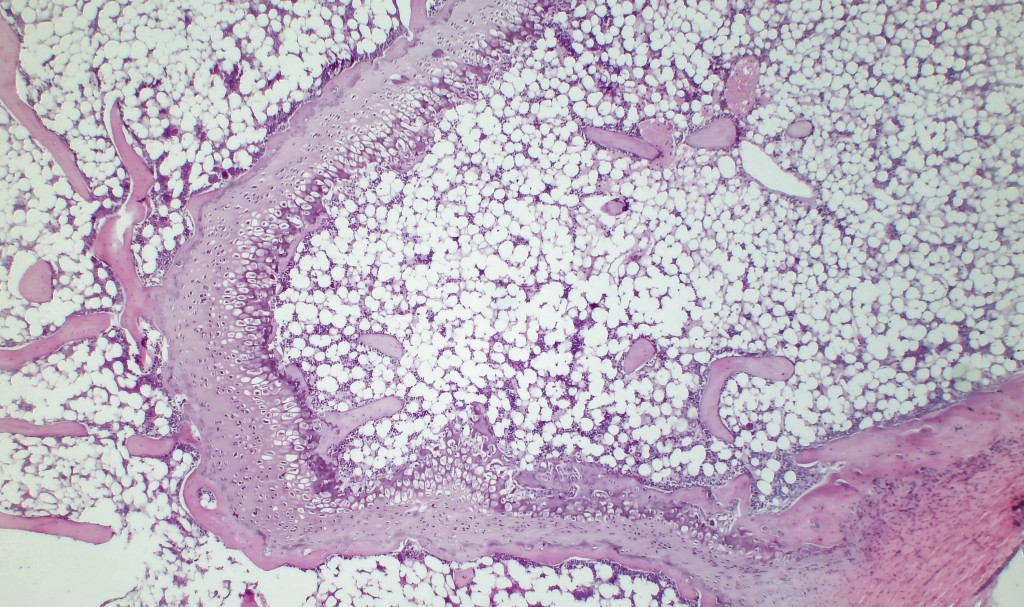
Researchers Identify The Cells That Make Space For Bone Marrow
A newly identified population of connective tissue cells helps hollow developing bones before handing off the task to marrow stromal cells that maintain the growing cavity.

Plastic-Eating Bacteria Just Got A Powerful Upgrade
NUS researchers have cracked two of the biggest obstacles in engineering microbes for industry: speed and reliability — using a bacteria-killing virus as their secret weapon.

Scientists Create Fluorescent Dye That Survives Extreme Acidic Conditions
The finding could improve medical imaging, chemical sensing, and research conducted under extreme conditions.
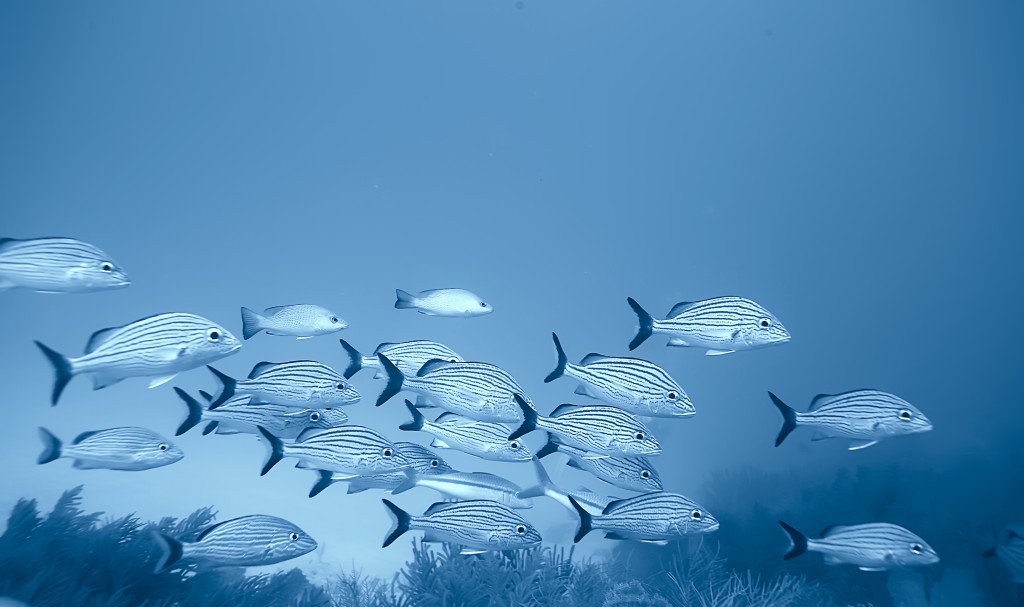
The Secret Light Compass Inside A Fish’s Brain
Zebrafish integrate light signals from the eyes and pineal organ to guide vertical movement in response to changes in light wavelength.
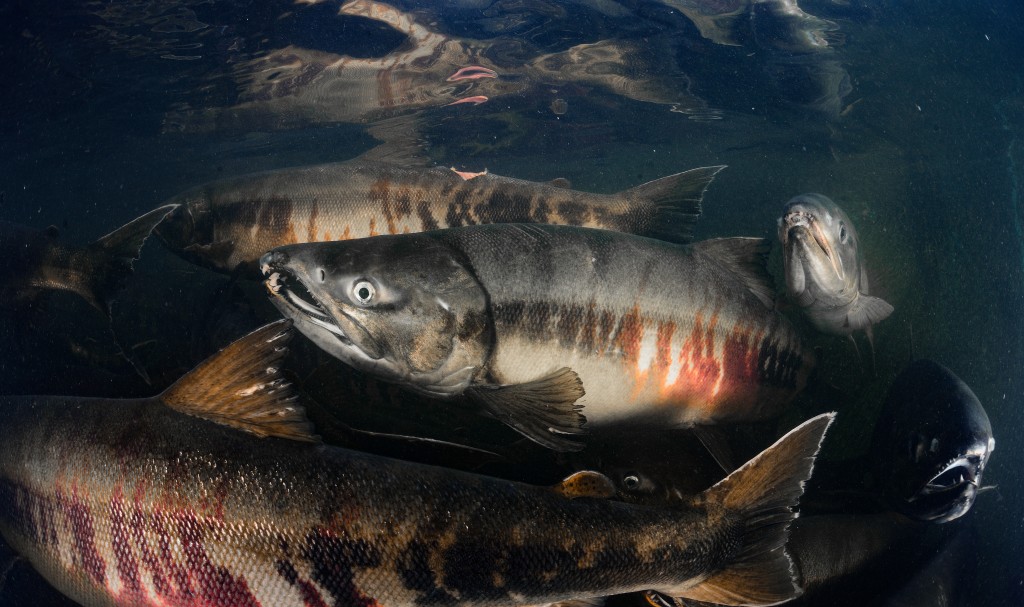
Warming Seas Push Japan’s Iconic Salmon North
Warming oceans, shrinking food supplies, and extreme heatwaves are pushing Japan’s iconic fish toward colder waters.