


The Asian Scientist 100
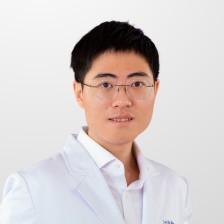
Hei Ming Lai
Institution
The Chinese University of Hong Kong
Country
Hong Kong
Field
Biomedical Sciences
Lai won the 2024 Croucher Tak Wah Mak Innovation Award for leading research in creating a 3D spatial multi-omics platform for clinical diagnostics and spatial biology research.
(Photo: The Chinese University of Hong Kong)
AWARDS
- 2024 Croucher Tak Wah Mak Innovation Award
Related articles
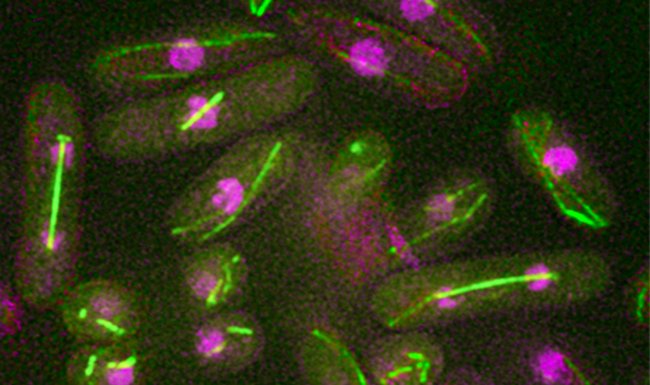
Touchpoints Of The Chromosome Scaffold
Condensin, a protein complex that acts as a scaffold to protect DNA during cell division, also play a protective role in response to heat stress.
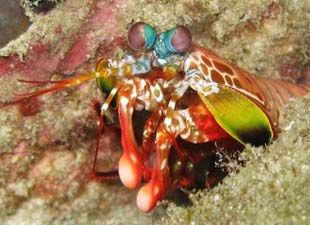
Peacock Mantis Shrimp Inspires Better CDs, DVDs
Inspired by the eye of the peacock mantis shrimp, researchers have developed a waveplate that could improve CD and DVD technology.

Free Tool For Predicting R-Loops
Researchers have developed a tool that could accelerate R-loop detection and advance the emerging field of R-loop biology.

Everest Glaciers May Vanish By 2100
Study predicts that greenhouse gases will cause a dramatic reduction in glaciers on Mount Everest, impacting more than a billion people living downsteam.

Aging Epigenetically Reversed In Human Cell Lines
Epigenetic modification or adding glycine to cell culture media can make fibroblast cell lines young again, study says.

China Goes Tough On Tobacco Use With Anti-Smoking Laws
Although China has successfully pushed through landmark tobacco control laws, it remains to be seen how they will be enforced.

Comparing Cousins To Unravel The Secrets Of Silk
A transcriptomic analysis comparing domesticated and non-domesticated silkworm species has identified genes controlling silk color and structure.

What We Talk About When We Talk About Mental Health
Much more can and needs to be done to address the sensitive topic of mental health in Asia.
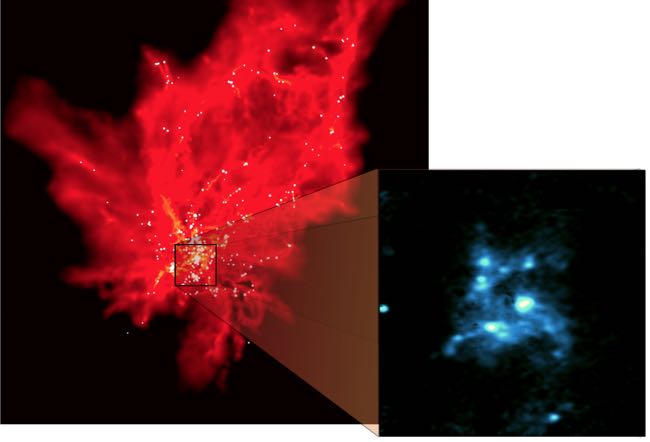
Spiral Arms Cradle Baby Stars
Giant spiral arms surrounding massive molecular gas cores protect proto-stars from radiation and mechanical feedback, allowing stars to form.