


The Asian Scientist 100
Hei Ming Lai
Institution
The Chinese University of Hong Kong
Country
Hong Kong
Field
Biomedical Sciences
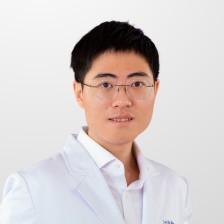
Lai won the 2024 Croucher Tak Wah Mak Innovation Award for leading research in creating a 3D spatial multi-omics platform for clinical diagnostics and spatial biology research.
(Photo: The Chinese University of Hong Kong)
AWARDS
- 2024 Croucher Tak Wah Mak Innovation Award
Related articles

Q&A With Steve Wilson Of The International Council For Science
What is the International Council for Science and what is its mission? Mike Ives speaks to outgoing executive director Steve Wilson to find out more.

Asia-Pacific: Putting Science Into Policy
Asia-Pacific countries need an organized, concerted effort to strengthen scientific input into decision-making, urges Crispin Maslog of the Asian Institute of Journalism and Communication.

Recreating Brain Connectivity In A Dish
Scientists are one step closer to reconstructing the social network of different types of brain cells, thanks to multi-electrode arrays.

Did Science Really Say I Should Eat This?
Coffee, chocolate and wine are all good for me, because science says so? Think again, writes Sim Shuzhen in this month's Bug Report.

Calling All Hackers: MIT Hacking Medicine@SG Now Open
Whether you're a student, programmer, clinician, designer or engineer, MIT Hacking Medicine@SG wants you and your ideas!

What Exactly Is The Mass Of A Supermassive Black Hole?
Scientists have made precise measurements of the supermassive black hole in the NGC 1097 galaxy, a finding that could help solve how galaxies evolved.

Whither Goes Asian Energy: Nuclear Or Renewables?
Although Asian countries are eager to diversify their energy sources, going nuclear may not be cost-effective due to financing and expertise issues.

DNA-TLR9 Zipper Triggers Autoimmune Response
A zipper-like arrangement of DNA can bind strongly to the receptor TLR9 and trigger a strong immune response.
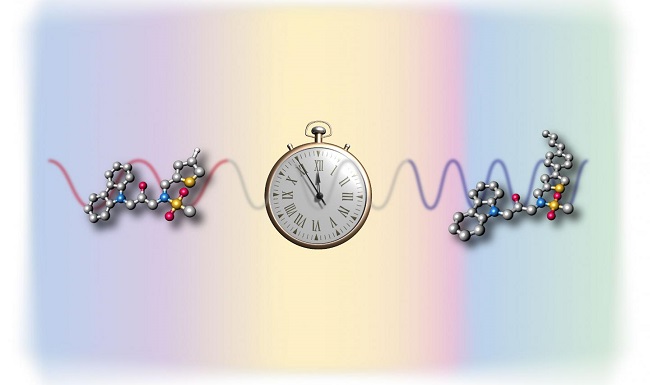
Tweaking Circadian Rhythms With Small Molecule Drugs
Synthetic chemistry has enabled researchers to develop small molecule drugs which target regulators of the circadian cycle.