


The Asian Scientist 100
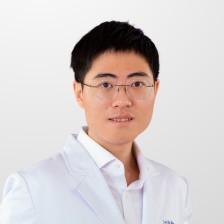
Hei Ming Lai
Institution
The Chinese University of Hong Kong
Country
Hong Kong
Field
Biomedical Sciences
Lai won the 2024 Croucher Tak Wah Mak Innovation Award for leading research in creating a 3D spatial multi-omics platform for clinical diagnostics and spatial biology research.
(Photo: The Chinese University of Hong Kong)
AWARDS
- 2024 Croucher Tak Wah Mak Innovation Award
Related articles

How Genomic Sequencing Can Drive Agricultural Advancements
Professor Rajeev Varshney achieved the largest plant genome sequencing study by harnessing MGI’s high throughput sequencing technologies.

You’d Be Able To Smell Your Virtual World Soon
Scientists have developed soft and flexible wearables that recreate a wide range of smells for virtual reality applications.

Scaling Up Viral Surveillance
Twist Bioscience’s target enrichment approach streamlines the discovery, monitoring and management of viruses and their transmission.
Looking Back And Ahead: How A Scientist In Singapore Breaks Ground In Cancer Research
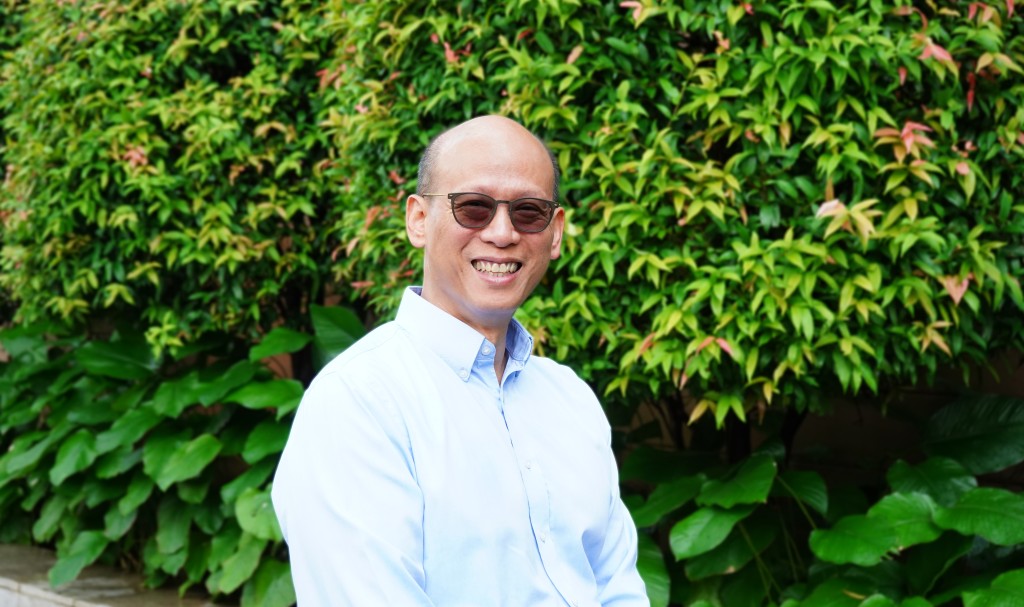
Known for his work on chronic myeloid leukemia, Dr Ong Sin Tiong at Duke-NUS Medical School continues to shed light on the mechanisms of drug resistance in this hematologic cancer.

Insect Evolution Revealed
Scientists have traced the evolution of insects via an ambitious project involving the sequencing of 1,000 transcriptomes.

Powerhouse Women Engineers Of Our Time
To celebrate International Women in Engineering Day 2023, we look at the exceptional work of five trailblazing female engineers who are shattering gender stereotypes in the field.
Population Immunity Shapes Evolution Of The Dengue Virus
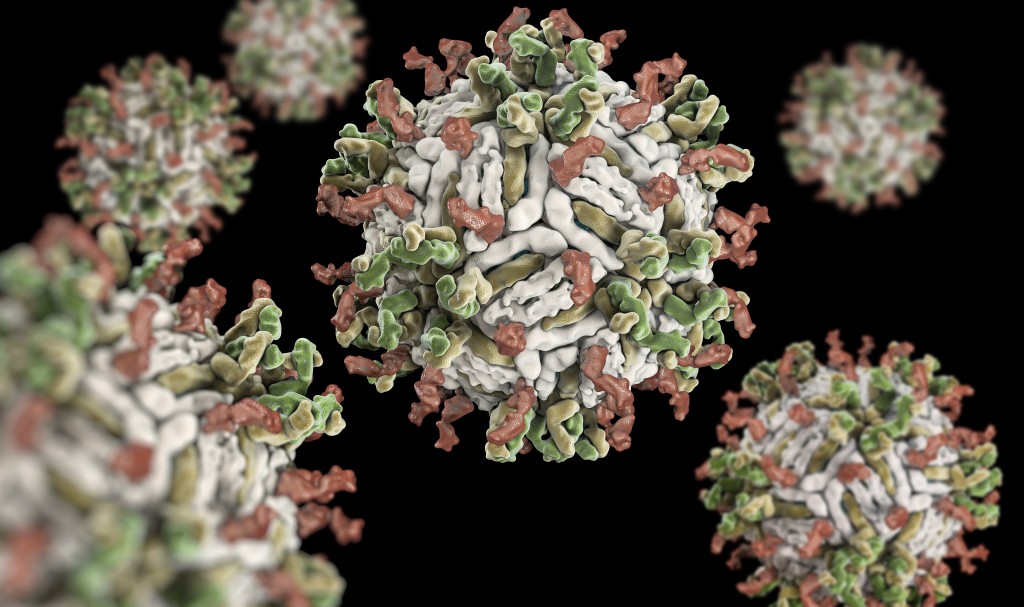
The study from India shows why it would be beneficial to develop dengue vaccines locally to counter regional strains.

Young Adults’ Mental Health In Singapore Need Urgent Attention
A new survey shines a light on the rates of depression and anxiety among Singapore’s youth.

Rising Temperatures Add To The Suicide Burden
Living in non-optimum temperature is causing excessive deaths from suicides, finds a study from China.