


The Asian Scientist 100
Di Li

Institution
National Astronomical Observatories of the Chinese Academy of Sciences
Country
China
Field
Aerospace & Astronomy
Li received the Marcel Grossmann Award for his pioneering contributions in the field of fast radio bursts. Li is the first scientist in China to receive this prize for research conducted within China.
(Photo: The Paper)
AWARDS
- Marcel Grossmann Award
Related articles

Reduction In Greenhouse Gases Could Save Chinese Lives, Study
Global abatement of greenhouse gas emissions could save between 0.3-0.7 million premature deaths in the year 2030, two-thirds of which would be in China, reports a new study.

Norgine, Takeda Receive NDA Approval For OBLEAN Tablets 120mg In Japan
The Japanese Ministry of Health, Labor and Welfare has approved an NDA for OBLEAN® Tablets 120mg for the treatment of obesity with complications.

Growing More Oil Palm For Biofuels May Accelerate Climate Change
Growing oil palm to make 'green' biofuels in Southeast Asia could be accelerating the effects of climate change, say scientists.
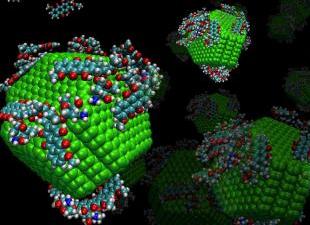
Tiny Diamonds To Boost Leukemia Treatment
Binding an anti-leukemia drug to nano-sized diamonds enhances the delivery of the drug to leukemic cells, boosting its efficacy.

Marine Microbes Are Ocean Travellers
Researchers have shown for the first time the impact of ocean currents on the distribution and abundance of marine micro-organisms.

Mitochondrial Genetics Behind Sherpa Mountain Fitness
Scientists have analyzed the mitochondria genomes of Sherpa individuals to examine the genetic basis of their extraordinary mountain fitness.

If Birds Had Facebook, What Would Their Social Networks Look Like?
Researchers have analyzed the social networks that link individual birds to each other - a kind of 'Facebook for birds'.

Quality Not Quantity: Measuring The Impact Of Published Research
Professor Warwick Anderson, CEO of Australia's NHMRC, discusses how the real impact of published research should be measured.
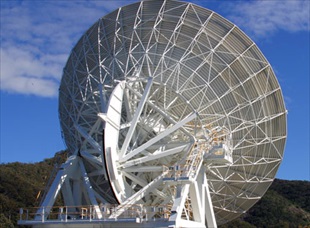
Map Of Galactic Clouds Where Stars Are Born
Astronomers have begun to map the location of the most massive objects in our galaxy – the giant gas clouds where new stars are born.