AsianScientist (Sep. 23, 2013) – Global abatement of greenhouse gas emissions could save between 1.4 and 3 million premature deaths in the year 2100, reports a study published in Nature Climate Change.
These findings stress the value of improved air quality, which has previously been underestimated in studies of how reductions in greenhouse gas emissions decrease co-emitted air pollutants.
Reduced health impacts from air pollution are a co-benefit of climate mitigation, but there are concerns about how these effects are evaluated. Current studies analyze air pollution-related mortality as a near-term and local effect, with little attention to international transport of air pollutants, long-term changes in human populations, and the indirect influence of climate change on air quality.
Jason West and colleagues at the University of North Carolina at Chapel Hill in the US addressed those gaps with a comprehensive analysis using global modelling methods, likely future scenarios, and newly affirmed relationships between chronic mortality and exposure to particulate matter and ozone, which are air pollutants indirectly influenced by climate change.
They found that 0.3–0.7 million premature deaths could be avoided in 2030, two-thirds of which would be in China. By mid-century, 0.8–1.8 million premature deaths could be avoided in a single year.
The authors estimated the monetary value of avoided deaths for each ton of carbon dioxide abated, and found a global average of about US$50–380. This value exceeds previous estimates and is higher than marginal greenhouse gas reduction costs by 2030 and 2050. This result suggests that climate mitigation is worthwhile, apart from the benefit of slowing down changes in climate.
The article can be found at: West JJ et al. (2013) Co-benefits of mitigating global greenhouse gas emissions for future air quality and human health.
——
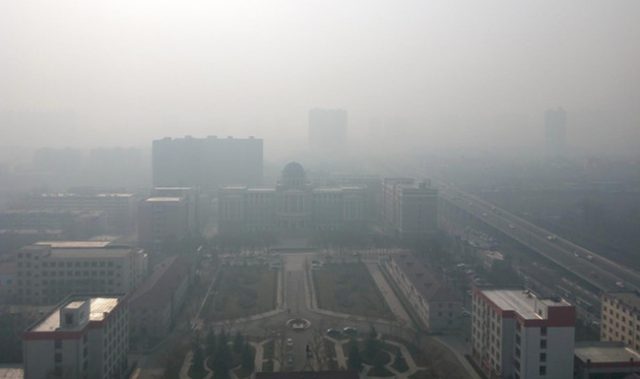
Source: NPG; Photo: CECAR – Climate and Ecosystems Change Adaptation R/Flickr/CC.
Disclaimer: This article does not necessarily reflect the views of AsianScientist or its staff.