


The Asian Scientist 100
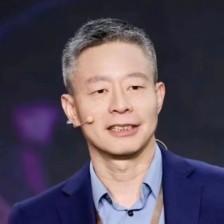
Di Li
Institution
National Astronomical Observatories of the Chinese Academy of Sciences
Country
China
Field
Aerospace & Astronomy
Li received the Marcel Grossmann Award for his pioneering contributions in the field of fast radio bursts. Li is the first scientist in China to receive this prize for research conducted within China.
(Photo: The Paper)
AWARDS
- Marcel Grossmann Award
Related articles

Eat And Sleep Well To Live Longer
Researchers have found that good sleep patterns can help men live longer, but women will only benefit if they also have a diverse diet.

Quantum Cryptography Protocol To Beef Up Cybersecurity
Quantum technology could make fundamental contributions in enhancing the security of web communications, researchers say.
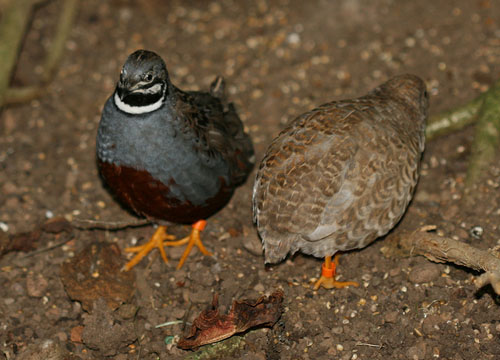
Are Chickens & Quail The Source Of H7N9 Virus?
Chicken and quail are the likely source of bird flu in China, according to a study. Alarmingly, they show no symptoms, making eradication of the virus difficult.

Takeda Receives NDA Approval For Gastric Ulcer And Hypertension Drugs
Takeda's two new fixed dose combination drugs, TAKELDA® and Zacras®, receive approval from the Japanese Ministry of Health, Labor and Welfare.
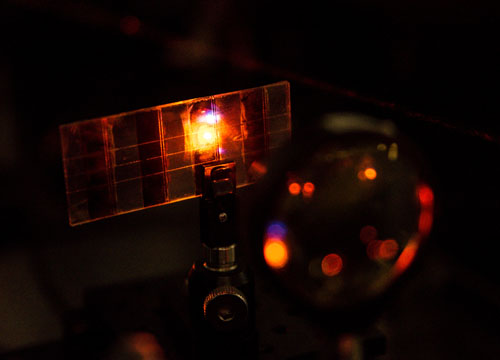
Solar Cell By Day, Light Panel By Night
Scientists at NTU have developed a cheaper solar panel that could also double up as a display screen.

Avoiding Environmental Hazards: Lessons From A Tiny Worm
Understanding how worms sense and avoid harmful pH could help scientists decipher more complex neurological responses in humans.

First China-India Climate Change Study Released
China and India, two of the top three carbon emitters in the world, have released a joint report on the practical measures that can be taken to address climate change.
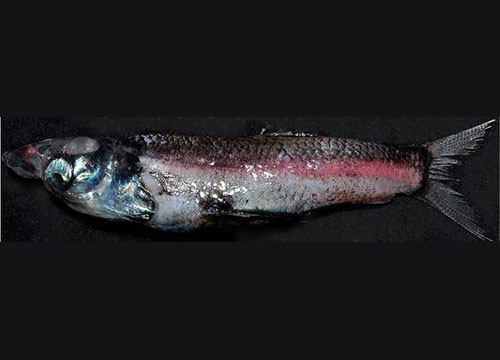
Deep Sea Fish Uses Mirror-Eyes To See In The Dark
The glasshead barreleye fish has mirrored cylindrical eyes which enable it to see both the dim light coming from above as well as the flashes of bioluminescence from below.

Astellas, Daiichi Sankyo To Share 400,000 Drug Compounds
Two of Japan's largest pharmaceutical firms will share their drug libraries, making 400,000 compounds available for high throughput sequencing.