


The Asian Scientist 100
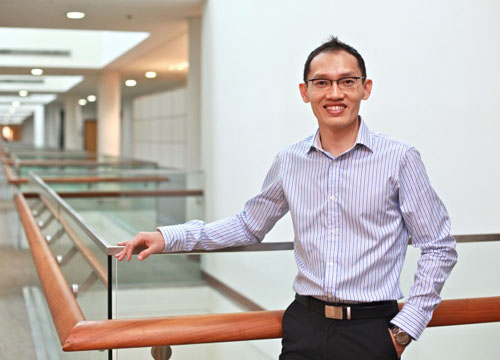
Di Li

Institution
National Astronomical Observatories of the Chinese Academy of Sciences
Country
China
Field
Aerospace & Astronomy
Li received the Marcel Grossmann Award for his pioneering contributions in the field of fast radio bursts. Li is the first scientist in China to receive this prize for research conducted within China.
(Photo: The Paper)
AWARDS
- Marcel Grossmann Award
Related articles
Analyzing The Analysts
Investors depend on security analysts to make forecasts and recommendations on stocks. SMU Assistant Professor Roger Loh looks at how accurate analysts’ predictions are and how exactly investors should interpret their reports.

Acupuncture Could Help Treat Septic Shock
A study in mice showed that acupuncture may also protect against deadly bacterial infections.

AstraZeneca, Shenzhen Uni To Study Chronic Kidney Disease
AstraZeneca and Shenzhen University Health Science Center will conduct pre-clinical research on chronic kidney disease, a large and growing unmet medical need in China.

Targeting The Achilles Heel Of Cancer Cells
By targeting proteins only expressed in cancer cells and reducing drug toxicity, scientists hope to be able to fight cancer better.

Leukemia Drug In Australian And US Trial
A drug targeting a leukemic stem cell marker discovered by researchers in Australia is currently undergoing clinical trials.

Scientists Convert Human Skin Cells Into Cartilage-Generating Cells
Scientists have directly converted human dermal fibroblasts into induced chondrogenic cells required for cartilage regeneration therapy.
Scientists Turn Stem Cells Into Liver And Pancreas Precursor Cells
Scientists have developed a method of turning human stem cells into a cell type that gives rise to organs including the liver and pancreas.
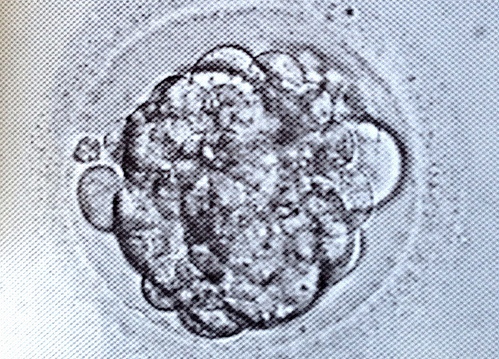
Breakthrough In Cultivating Human Embryonic Stem Cells
Researchers have successfully converted human embryonic stem cells cultured in the laboratory to a state that resembles native stem cells.

Futuristic Wearable Medical Device Has Nanosensors For Drug Release
Scientists are closer to realizing the goal of wearable medical devices with the demonstration of a multifunctional nanomaterial-based system.