


The Asian Scientist 100
Di Li

Institution
National Astronomical Observatories of the Chinese Academy of Sciences
Country
China
Field
Aerospace & Astronomy
Li received the Marcel Grossmann Award for his pioneering contributions in the field of fast radio bursts. Li is the first scientist in China to receive this prize for research conducted within China.
(Photo: The Paper)
AWARDS
- Marcel Grossmann Award
Related articles

Human Antisense RNA Can Boost Protein Expression, Not Only Repress It
Researchers from RIKEN have shown for the first time that human RNA sequences can not only inhibit protein expression, but also boost it.

This Protein From Micro-animal Shields DNA From Lethal Radiation
A novel protein discovered from an eight-legged microscopic aquatic animal helps human cells stay resilient to extremely high levels of radiation.

China Launches Its First National Gene Bank
The China National GeneBank will store more than ten million genetic samples from human, animal, plant and microbial species.

Aspirin, Statins Help Reduce Heart Attack Severity: Study
Statins and aspirin, medications prescribed to prevent heart attacks, are linked with reduced heart attack severity, a new study shows.

WuXi Biologics Opens New Manufacturing Facility In China
WuXi Biologics has launched a commercial-scale biologics perfusion manufacturing facility in Wuxi City, China.

Nemo And Other Reef Fish Can See Colors We Can’t
If Disney's Nemo, Marlin and Dory were real, they would probably be able to see color regions in greater detail than we can.

Singapore Among World’s Healthiest Places To Live
Iceland, Singapore and Sweden are the healthiest out of 188 countries studied in the 2015 Global Burden of Disease Study.
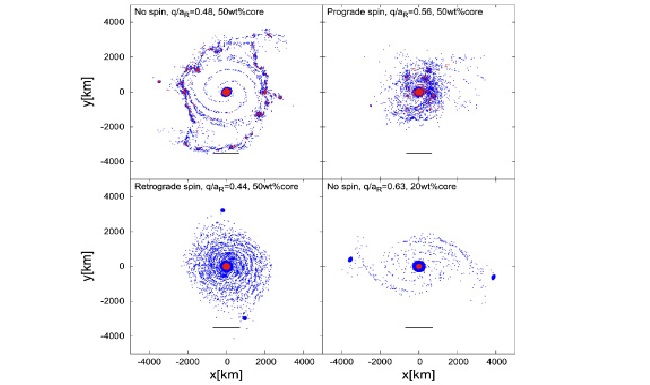
Forget Pokémon. Hunt For Centaur Rings Instead!
It is highly likely that minor planets called centaurs with rings or small moons exist, awaiting discovery by future observations.
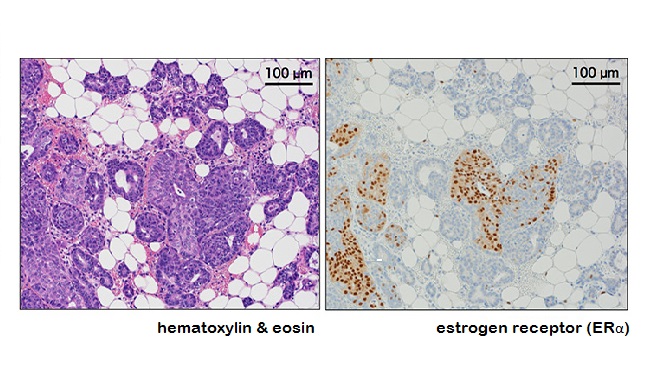
Gatekeeper Gene Suppressed Breast Cancer Tumors In Mice
The study was prompted by the discovery that Nrk-mutant mice frequently exhibited breast tumors after repetitive pregnancies or births.