


The Asian Scientist 100
Di Li

Institution
National Astronomical Observatories of the Chinese Academy of Sciences
Country
China
Field
Aerospace & Astronomy
Li received the Marcel Grossmann Award for his pioneering contributions in the field of fast radio bursts. Li is the first scientist in China to receive this prize for research conducted within China.
(Photo: The Paper)
AWARDS
- Marcel Grossmann Award
Related articles

RNA Editing Gone Awry Could Indicate Gastric Cancer
Proteins involved in RNA editing could potentially be used as biomarkers to detect gastric cancer at an early stage, a study finds.

Synthetic Oil Delayed ALS Symptoms In Mice: Study
A potential treatment may help delay motor neuron loss in amyotrophic lateral sclerosis, a disease brought into the spotlight by the ice bucket challenge.
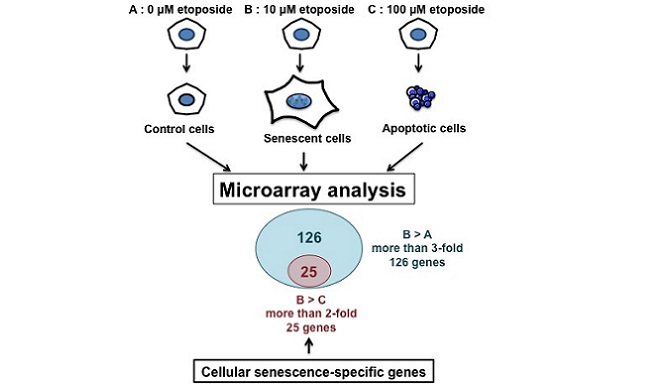
Stop Right There! These Genes Cause Cell-Cycle Arrest
Scientists have identified genes linked to cell senescence, the permanent arrest of cell growth.

Researchers Crowdsource For Novel Malarial Drugs
Once the domain of IT, researchers have adopted a crowdsourced approach to finding alternatives to artemisinin for malarial treatment.
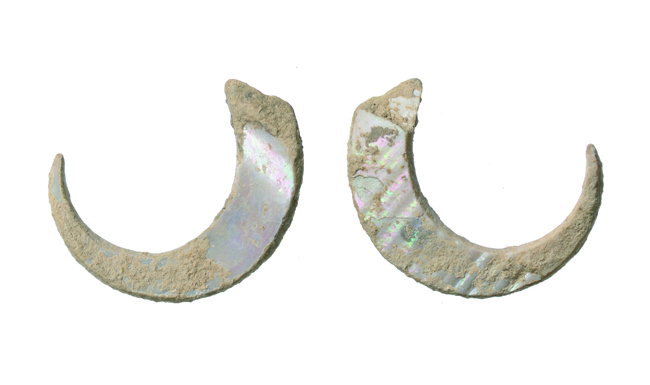
Are You Hooked Yet? World’s Oldest Fishhooks Found In Japan
The world’s oldest fishhooks, which were carved from sea snail shells, have just been found in a limestone cave on Okinawa island in Japan.

One-Pot, Two-Step Synthesis For Organic Semiconductors
Scientists in Japan have discovered a simplified method to synthesize sulfur-based organic semiconductors more efficiently.

A Baby Icy Giant Planet Is Growing Nearby
Observations of the icy giant planet, which is probably a bit more massive than Neptune, will help us better understand planet formation.
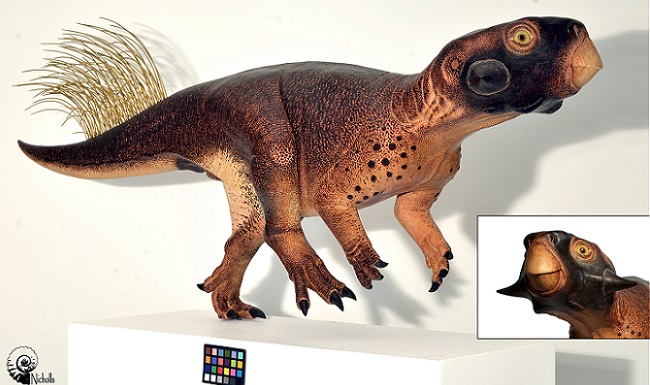
Laser Imaging Reveals Skin Color Of Triceratops’ Cousin
Laser imaging of Psittacosaurus, an early relative of Triceratops, suggests that it had lighter and darker areas of skin that worked as a camouflage of sorts.

Nanoparticles Shaped Like Rods & Worms Enter Cell Nucleus More Easily
Nanoparticles shaped like rods and worms are most effective at broaching the barrier surrounding the cell nucleus, a study has shown.