


The Asian Scientist 100
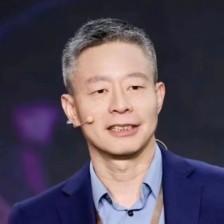
Di Li
Institution
National Astronomical Observatories of the Chinese Academy of Sciences
Country
China
Field
Aerospace & Astronomy
Li received the Marcel Grossmann Award for his pioneering contributions in the field of fast radio bursts. Li is the first scientist in China to receive this prize for research conducted within China.
(Photo: The Paper)
AWARDS
- Marcel Grossmann Award
Related articles
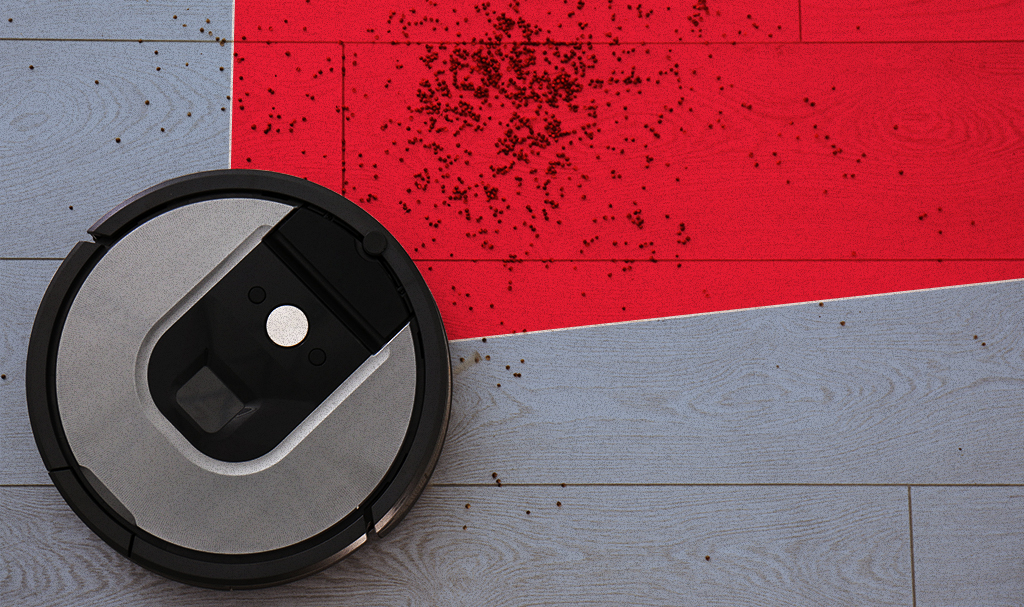
Robots Keep Spotless Score
Researchers from Singapore have designed a sensor for autonomous cleaning robots making them better cleaners.

In Pole Position: Racing Toward Electric Mobility (VIDEO)
Automotive enthusiast Dr. Muhammad Taureza and the Scorpio Electric team are engineering electric bikes to realize a future of cleaner transport.

Creating New Technologies For Tomorrow’s Care
Experts at TechInnovation 2021 discussed the role of medical professionals and the patient journey in a post-pandemic world.
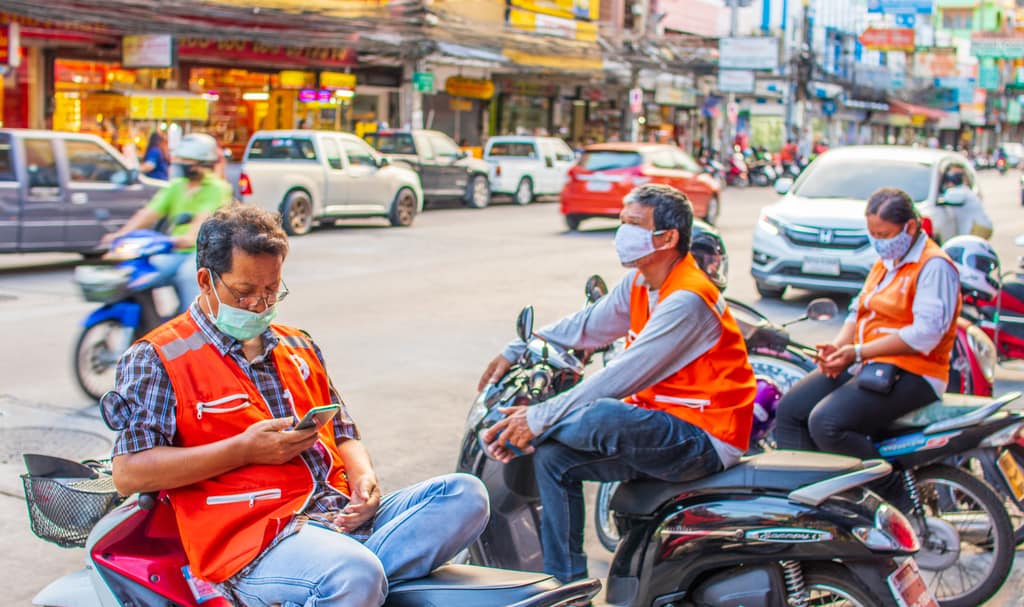
Shielding COVID-19 Risk On Ride-Sharing Bikes
Plastic barriers placed between driver and passenger on ride-sharing motorbikes reduces the risk of COVID-19 viral spread.

GenScript Launches Manufacturing Facility In Singapore
GenScript’s new facility is set to improve support for scientists in the Asia-Pacific region with shorter delivery time and local collaboration.

Constructing A Sustainable Built Environment
At TechInnovation 2021, experts spoke about how energy-saving design and smart architecture can pave the way for a more sustainable urban environment for Singapore.
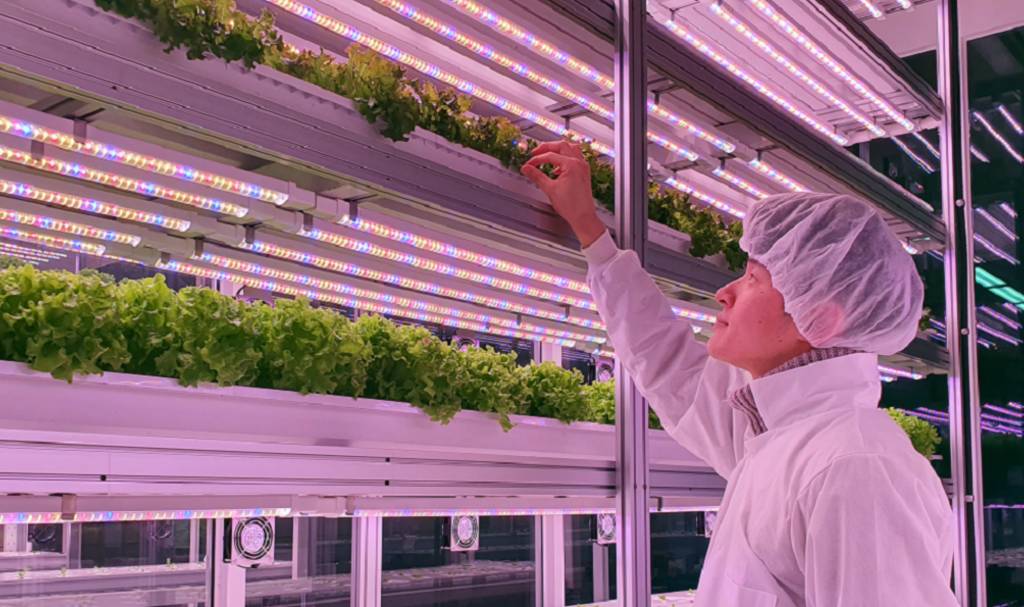
Sparking Sustainable Food Developments At IPHatch 2021
At TechInnovation 2021, MNCs and SMEs came together during the IPHatch session to learn how meaningful collaboration can lead to sustainable and successful innovation.
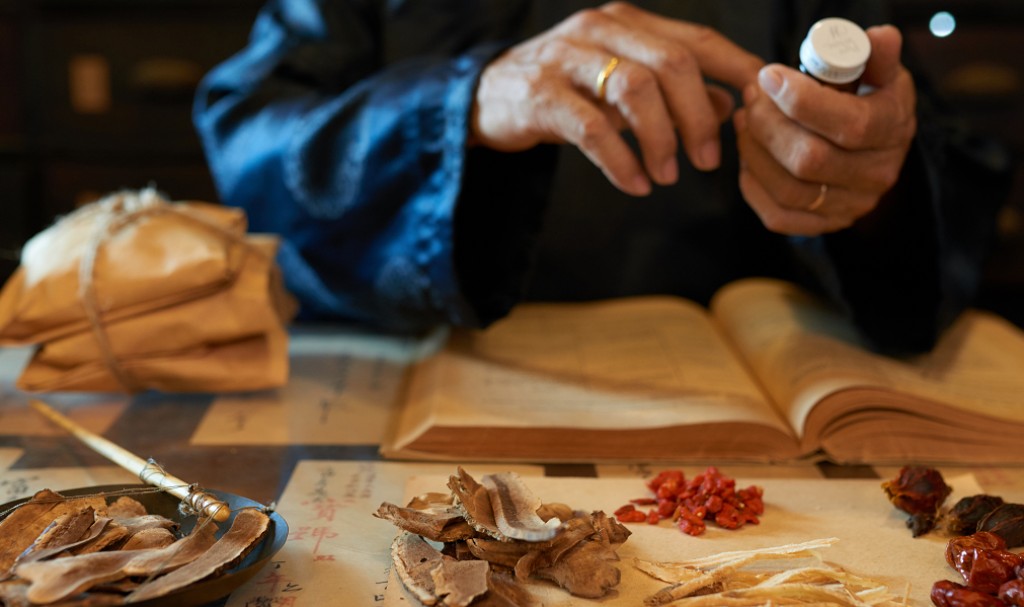
Making Traditional Medicine Mainstream
As experts pursue evidence-based research and develop regulatory standards, traditional herbal medicine moves towards more mainstream clinical use.
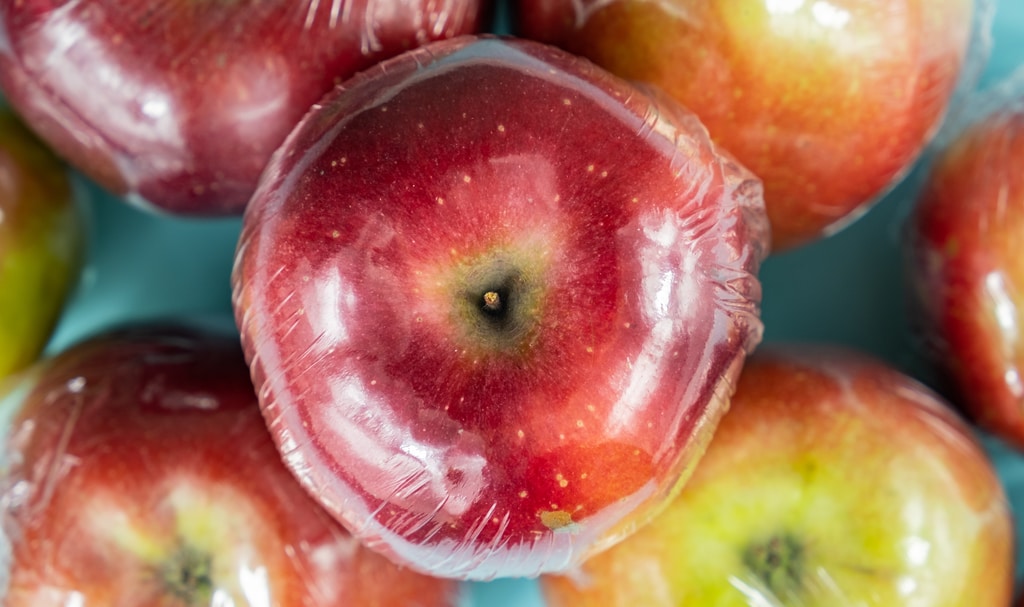
Smart Packaging To Keep Food Fresh For Longer
A smart food packaging material with antimicrobial properties, developed by a Singaporean-American team, could extend the shelf life of fresh produce.