


The Asian Scientist 100
Di Li

Institution
National Astronomical Observatories of the Chinese Academy of Sciences
Country
China
Field
Aerospace & Astronomy
Li received the Marcel Grossmann Award for his pioneering contributions in the field of fast radio bursts. Li is the first scientist in China to receive this prize for research conducted within China.
(Photo: The Paper)
AWARDS
- Marcel Grossmann Award
Related articles

How Proteases Train T-Cells
Protein cutting enzymes only found in the thymus preferentially generate peptides that lead to the positive selection and subsequent differentiation of T-cells.
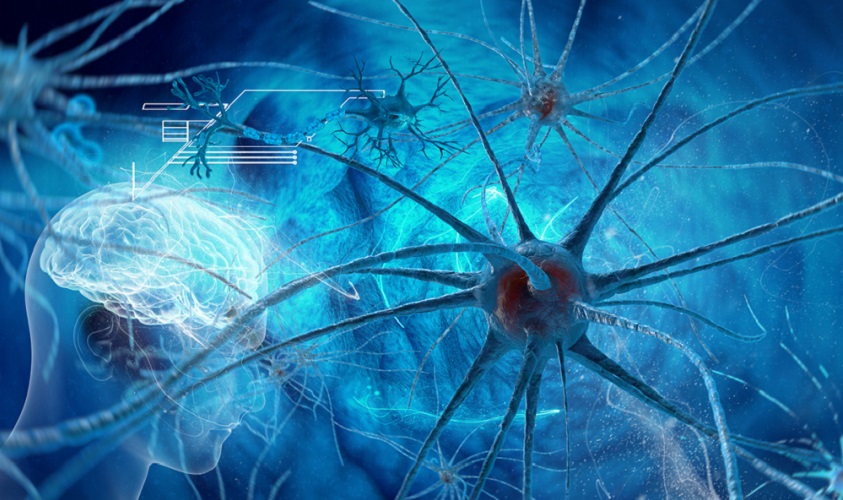
Memories Take A Detour In The Brain
Memories are formed in and retrieved from different parts of the brain, according to an optogenetic study by researchers in Japan.

Brain Chemical Controls Appetite And Fat Storage
Scientists in Japan have identified the protein in the brain that controls appetite and body fat composition.

Mitochondrial Gene Linked To Adult-Onset Obesity
Scientists in Australia have discovered that having just one copy of a mitochondrial gene called PTCD1 results in adult-onset obesity and fatty liver disease.

How Bird Flu Grows An ‘Eggshell’ That Makes It More Deadly
An eggshell-like mineral layer around the avian flu virus could explain why we are more likely to catch it from birds than from our fellow humans.

Why Some People Are Allergic To Both Pollen And Peaches
A protein found in cyprus pollen is highly similar to molecules found in peaches and citrus fruits, explaining the cross-reactivity between respiratory and food allergens.
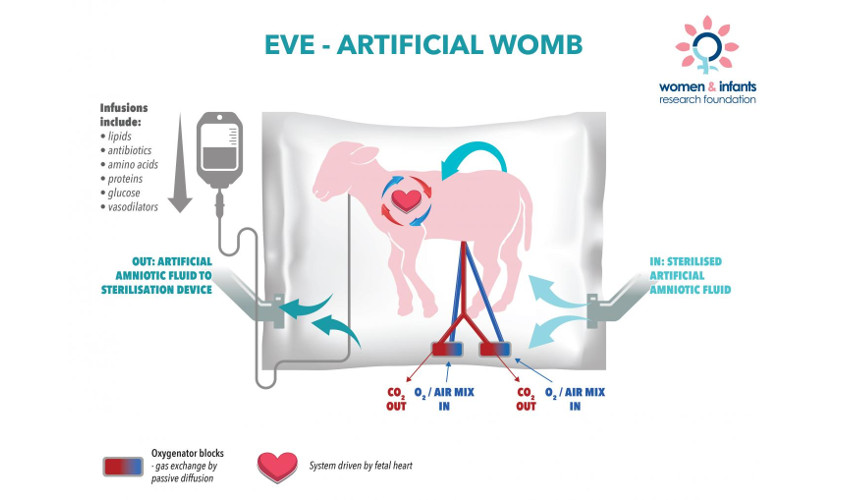
An Artificial Womb Offers Hope For Preemies
Scientists have developed an artificial womb that could someday save the lives of extremely premature babies.

Itch-Specific Neural Circuit Identified
Blocking neurons in a region of the brain known as the parabrachial nucleus can suppress itching in mice, researchers say.
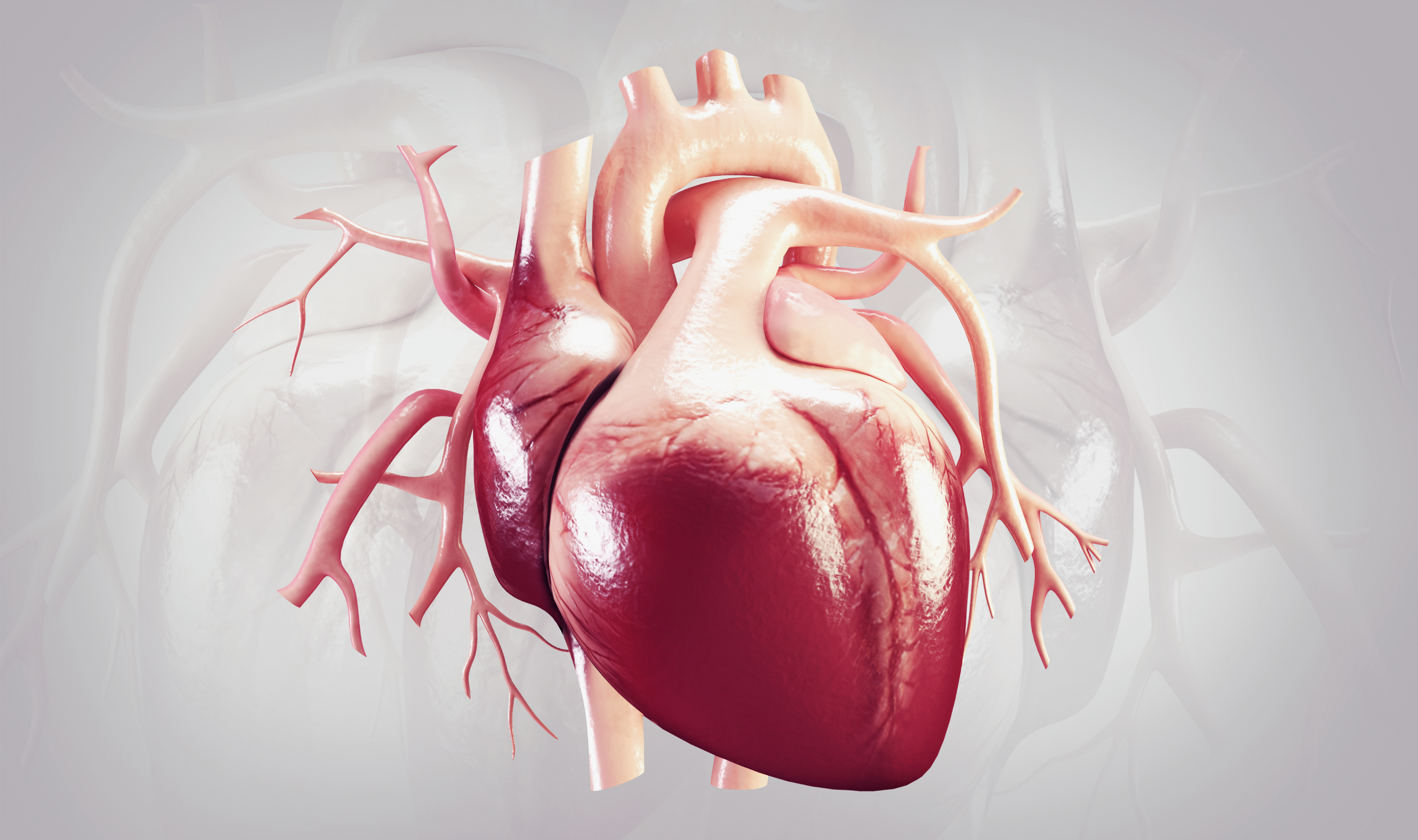
Helping The Heart Heal Itself
Activating a long non-coding RNA molecule called SingHeart could be the key to triggering the regeneration and repair of damaged heart cells.