


The Asian Scientist 100
Di Li

Institution
National Astronomical Observatories of the Chinese Academy of Sciences
Country
China
Field
Aerospace & Astronomy
Li received the Marcel Grossmann Award for his pioneering contributions in the field of fast radio bursts. Li is the first scientist in China to receive this prize for research conducted within China.
(Photo: The Paper)
AWARDS
- Marcel Grossmann Award
Related articles

Math In A Time Of Cholera
Using mathematical models to analyze data from the World Health Organization, scientists in Japan accurately forecasted the peak of the 2017 cholera outbreak in Yemen.

New Drug Targets For Rare Kidney And Liver Disease Identified
Scientists in Japan, Spain and the US have discovered that a rare kidney and liver disease is caused by a defect in the protein degradation pathway of cells.
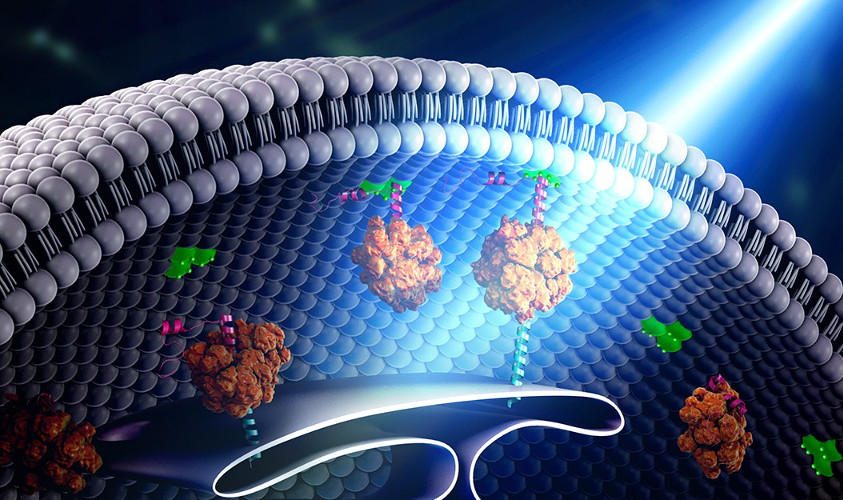
Using Light To Build Bridges In Cells
A genetically-engineered, light-sensitive protein has allowed scientists to measure and manipulate protein-membrane interactions in living cells.

NTU Singapore Teams Up With PC Partner For Cleantech R&D
NTU Singapore’s Techbridge Ventures and Hong Kong’s PC Partner have established a corporate incubator that will groom Asia’s most promising clean tech start-ups.

Finding The Right Spot For Hindlimbs
Scientists in Japan have identified a protein that controls the position of hindlimbs in tetrapods.

Electricity Generation With A Twist
By twisting carbon nanotubes into highly elastic supercoiled structures, scientists have created yarns that generate electricity when stretched or twisted.

Artificial Catalysts For Epigenetics Without Enzymes
Scientists in Japan have performed DNA acetylation in living cells using chemical catalysts instead of biological enzymes.

China’s Top Climate Negotiator Wins 2017 LUI Che Woo Prize
Mr Xie Zhenhua received the 2017 LUI Che Woo Sustainability Prize for his critical role during negotiations of the Paris Agreement on climate change.

Tracing The Apple’s Journey Along The Silk Road
By analyzing the genomes of 117 apple varieties, scientists have traced the origin of the domesticated apple and identified key genetic markers for improving apple quality.