


The Asian Scientist 100
Di Li

Institution
National Astronomical Observatories of the Chinese Academy of Sciences
Country
China
Field
Aerospace & Astronomy
Li received the Marcel Grossmann Award for his pioneering contributions in the field of fast radio bursts. Li is the first scientist in China to receive this prize for research conducted within China.
(Photo: The Paper)
AWARDS
- Marcel Grossmann Award
Related articles

Super Steel For Aerospace And Defense Applications
Scientists from Hong Kong, Beijing and Taiwan have developed a low-cost 'super steel' that overcomes the strength-ductility trade off in conventional metallic materials.

The Art Of Negotiating In Asia
Being mindful of different cultural norms is essential for successful negotiations in Asia, says SMU’s Associate Professor Michael Benoliel.

Zooming In On Socioeconomic Issues
By analysing the impact of anti-poverty policies at fine-grained level, Associate Professor Tomoki Fujii of the SMU School of Economics is uncovering better ways of reaching development goals.

Asia’s Rising Scientists: Swaine Chen
Dr. Swaine Chen seeks to uncover the secret lives of bacteria and develop tools to characterize and understand them better.

Evaluating Drug Toxicity On A Chip
Scientists in Japan have invented a ‘body-on-a-chip’ device that can be used for pre-clinical testing of drug side effects.

Asia’s Scientific Trailblazers: Xue Qi-Kun
Professor Xue Qi-Kun shares the story behind his discovery of quantum anomalous Hall effect and other developments in the field of condensed matter physics.
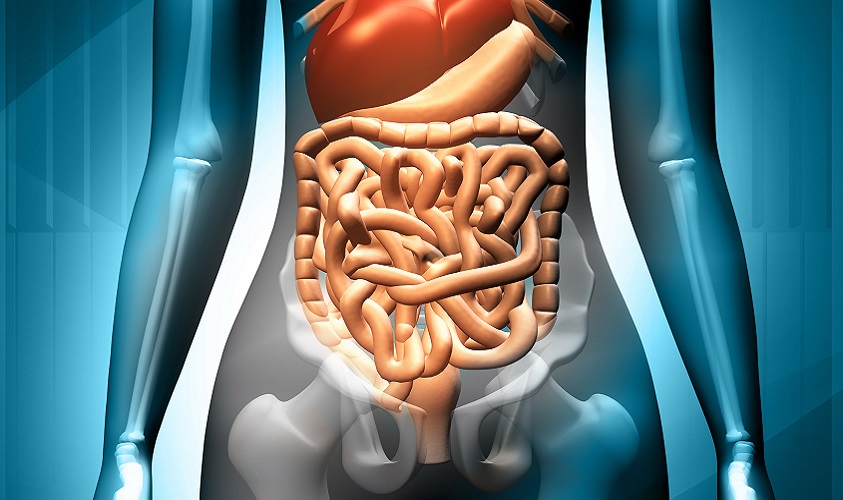
Innate Lymphoid Cells Suppress Gut Inflammation
Scientists in China have identified a subpopulation of innate lymphoid cells that suppress inflammation in the gut.

Deforestation Linked To Poor Health In Cambodian Children
Research in Cambodia suggests the importance of considering health impacts when assessing tradeoffs in land use planning.

Asia’s Rising Scientists: Maria Corazon de Ungria
From helping wrongfully accused prisoners to building the DNA biobank of the Philippines, Dr. Maria Corazon de Ungria is committed to conducting science with a purpose.