


The Asian Scientist 100
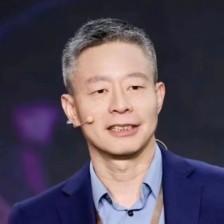
Di Li
Institution
National Astronomical Observatories of the Chinese Academy of Sciences
Country
China
Field
Aerospace & Astronomy
Li received the Marcel Grossmann Award for his pioneering contributions in the field of fast radio bursts. Li is the first scientist in China to receive this prize for research conducted within China.
(Photo: The Paper)
AWARDS
- Marcel Grossmann Award
Related articles

China Launches Its Own Million Dollar ‘Nobel’ Prize
From 2017, the privately funded Future Science Awards will recognize the achievements of Chinese scientists in the life sciences and materials science.

Process And Store Memory In A Single Chip
In the future, data could be processed where it is stored, paving the way for thinner, smaller computers and mobile devices.

China’s Torch Program Launches US$77 Million Australian Precinct
The US$77 million Torch Innovation Precinct at the University of New South Wales is the first such partnership outside of China.
From Industry To Non-Profit And Back
Tachi Yamada, chief medical & scientific officer of Takeda Pharmaceuticals, shares his journey from academia to industry, non-profit organizations and back, and why Asia is now the place to be.

Thailand’s Scientist In Office
Professor Yongyuth Yuthavong, deputy prime minister of Thailand, speaks to Asian Scientist Magazine about his vision for science in Thailand and the ASEAN region.

WuXi AppTec Expands To South Korea
China-based WuXi Apptec, an R&D capability and technology company, has opened an office in Seoul's Pangyo Techno Valley.

Japanese Fund Invests In The Eradication Of Malaria & TB
GHIT Fund, a public-private partnership that seeks to nurture Japan's R&D, has invested in a malaria vaccine and rapid field test.

China’s Latest Five-Year Plan To Focus On Innovation
China's 13th five-year plan will invest heavily in science and technology from 2016-2020 and boost science spending to 271 billion yuan (US$41 billion) this year.

Nestlé Establishes Research Center in Singapore
The Center will focus on healthy aging and nutritional interventions for older populations, both regionally and globally.