


The Asian Scientist 100
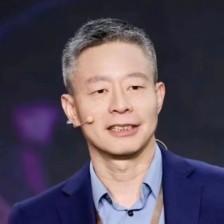
Di Li
Institution
National Astronomical Observatories of the Chinese Academy of Sciences
Country
China
Field
Aerospace & Astronomy
Li received the Marcel Grossmann Award for his pioneering contributions in the field of fast radio bursts. Li is the first scientist in China to receive this prize for research conducted within China.
(Photo: The Paper)
AWARDS
- Marcel Grossmann Award
Related articles

A Shot In The Arm For Dengue Control?
The world's first dengue vaccine is good news, but not a perfect solution.
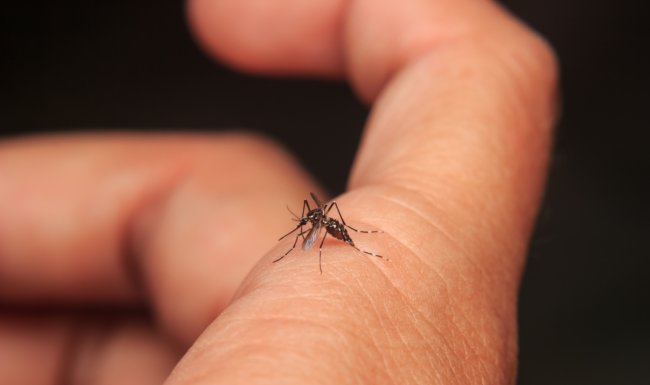
Dengue And The Silent Majority
Three quarters of the people infected with dengue don't show any symptoms—and yet they are more likely to spread the disease than those who do.

Hiding Gene Editing From The Immune System
By using a phosphatase to remove a chemical group on synthetic guide RNAs, scientists in South Korea have made CRISPR-Cas9 less immunogenic and less toxic.

Nanoparticles Make Pesticide Detection Super Sensitive
Using polystyrene coated magnetic nanoparticles, scientists in Singapore were able to detect trace amounts of pesticide on vegetables in less than two hours.

How Magnesium Makes For Safer Batteries
Scientists in Japan have found that adding a magnesium salt to lithium batteries makes them safer to use.

Public Trust In The Post-Truth World
Governments everywhere must rethink their strategies if they want to win the public’s trust, said former top civil servant Mr Peter Ho at a conference organised by SMU’s Behavioural Sciences Institute.
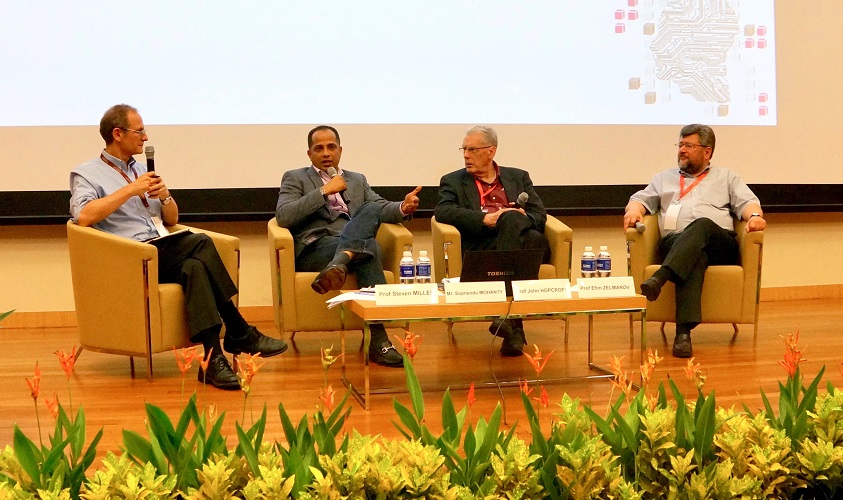
When AI Meets The Blockchain
Beyond the hype surrounding each technology, artificial intelligence and blockchain could have a synergistic impact when used together.

The Dynamics Of Building And Repairing Trust
Professor Don Ferrin at SMU Lee Kong Chian School of Business studies the factors influencing trust in organisations and what happens when that trust is damaged.

Trust: The Most Important Business Currency
While negotiating the trade-offs between data protection and the business value of data, companies should remember that trust is the underlying issue.