


The Asian Scientist 100
Di Li

Institution
National Astronomical Observatories of the Chinese Academy of Sciences
Country
China
Field
Aerospace & Astronomy
Li received the Marcel Grossmann Award for his pioneering contributions in the field of fast radio bursts. Li is the first scientist in China to receive this prize for research conducted within China.
(Photo: The Paper)
AWARDS
- Marcel Grossmann Award
Related articles

A Potential Biomarker For The Early Detection Of Ebola
Researchers have found an microRNA-like fragment that is detectable in infected patients but not during recovery—suggesting that it could serve as a biomarker for the disease.

MicroRNAs That Trigger Beta Cell Proliferation
Scientists in Japan have identified two new microRNAs that may help develop regenerative therapies for diabetes patients.

Brain Cancer Linked To A Lack Of RNA Editing
Insufficient RNA editing in brain tissues could drive the growth of aggressive tumors, scientists say.

WuXi STA & Regulus To Collaborate On MicroRNA-Targeting Drugs
The partnership is aimed at accelerating Regulus’ oligonucleotide therapeutics programs into the clinic for the treatment of a variety of diseases.

Women’s Immune Systems Remain Youthful For Longer, Study
Women's immune systems age more slowly than men's, says a new study from Japan.

How Immune Cells Help Wire The Brain
Contrary to the general consensus that the brain is an immune privileged site, researchers have shown that a specific group of immune cells are required for the maturation of neurons.

Genetically Diverse Trees Support A Wider Range Of Insects
A research group in Japan has identified correlations between the genetic diversity of a tree species and its constituent insect communities.
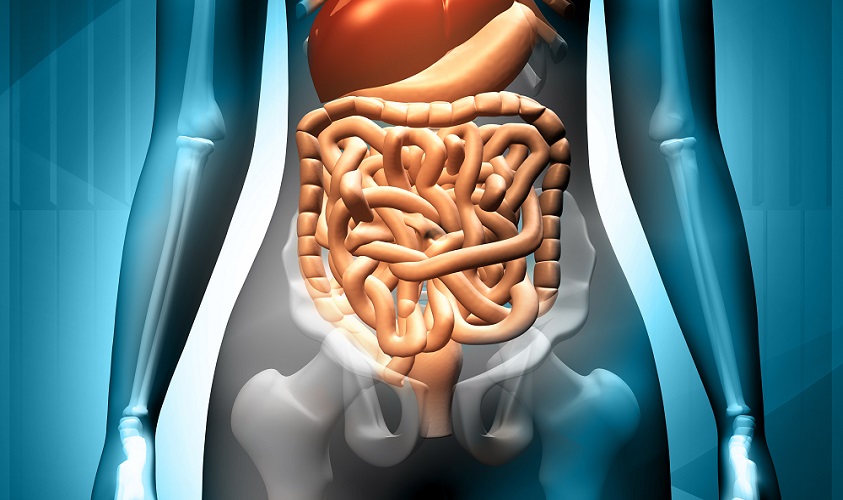
Bacterial Species That Alleviate Diabetes Identified
A research group in China has identified a group of gut microbiota that can alleviate the symptoms of type 2 diabetes in patients consuming a diet high in fiber.

Plants Activate ‘Self-Eating’ Pathways When Hungry
Scientists have discovered that plants depend on autophagy to sustain themselves during starvation conditions, such as when there is insufficient sunlight.