


The Asian Scientist 100
Di Li

Institution
National Astronomical Observatories of the Chinese Academy of Sciences
Country
China
Field
Aerospace & Astronomy
Li received the Marcel Grossmann Award for his pioneering contributions in the field of fast radio bursts. Li is the first scientist in China to receive this prize for research conducted within China.
(Photo: The Paper)
AWARDS
- Marcel Grossmann Award
Related articles

Biomedical Engineers Develop Biocompatible Cartilage Replacement
Researchers have developed a method to grow biocompatible cartilage from the patient's own bone marrow.

Three Coronavirus Species Found Co-Circulating In Camels In Saudi Arabia
Evidence from a next generation sequencing study suggests that camels are a reservoir of the MERS virus and a significant source of human infections.

Incisionless Robotic Surgery Makes The Cut
The internally powered novel surgical robotic system can successfully perform single-incision or natural orifice surgery.

Latest THE University Rankings Show Chinese Universities On The Rise
China is fast becoming a dominant force in the higher education arena based on this year’s THE World University Rankings.

Visualizing The Human Brain In 3D
Scientists have developed a method to obtain high resolution, three-dimensional images of the human brain.

Synthetic Biology Yields New Steroid Antibiotics
A research group in Japan has taken a synthetic biology approach to the development of steroid antibiotics.

When Wanderlust Meets Wonderlust
Are you ready to plan your first trip to a scientific conference? Here are five tips to get you started.

AI Lends A Hand In Cell Sorting
A team of scientists in Japan has developed an AI-assisted tool capable of accurately sorting more than 10,000 cells per second.
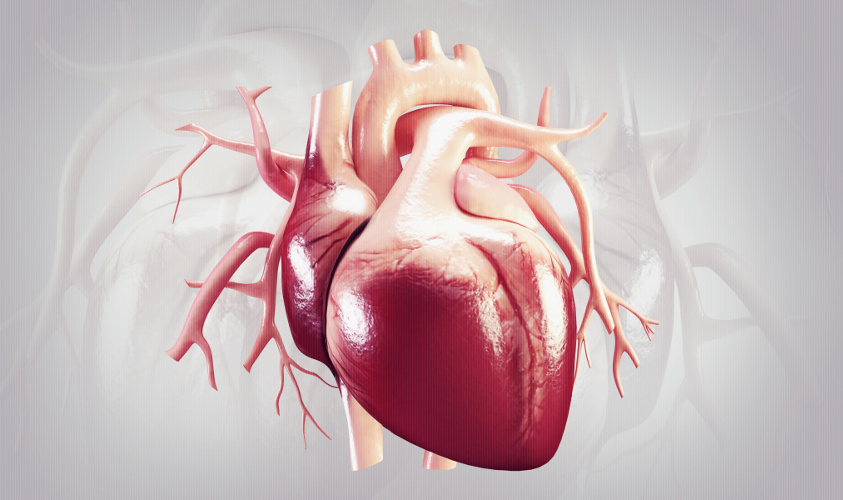
Getting To The Heart Of Congenital Heart Disease
The acetylation of metabolic enzymes plays a key role in regulating heart muscle development in newborns, study says.