


The Asian Scientist 100
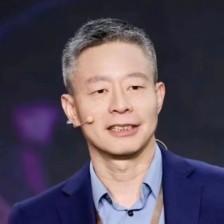
Di Li
Institution
National Astronomical Observatories of the Chinese Academy of Sciences
Country
China
Field
Aerospace & Astronomy
Li received the Marcel Grossmann Award for his pioneering contributions in the field of fast radio bursts. Li is the first scientist in China to receive this prize for research conducted within China.
(Photo: The Paper)
AWARDS
- Marcel Grossmann Award
Related articles

Ulsan Under Constant Exposure To Toxic Dust
Researchers in South Korea have found that Ulsan is chronically exposed to fine dust containing toxic polycyclic aromatic hydrocarbons.

Nanodiamonds Light Up Liver Tumors
Using nanodiamonds as an MRI contrast agent makes hidden tumors appear, even at a low dose.

Nanodiamonds Pack An Anti-Cancer Punch
Nanodiamonds can turn existing drugs into a powerful tool against cancer stem cells in mice.

Nanodiamonds Formed In A Carbon Cage
Scientists have successfully synthesized diamond-like nanomaterials in the hollow of a carbon nanotube.
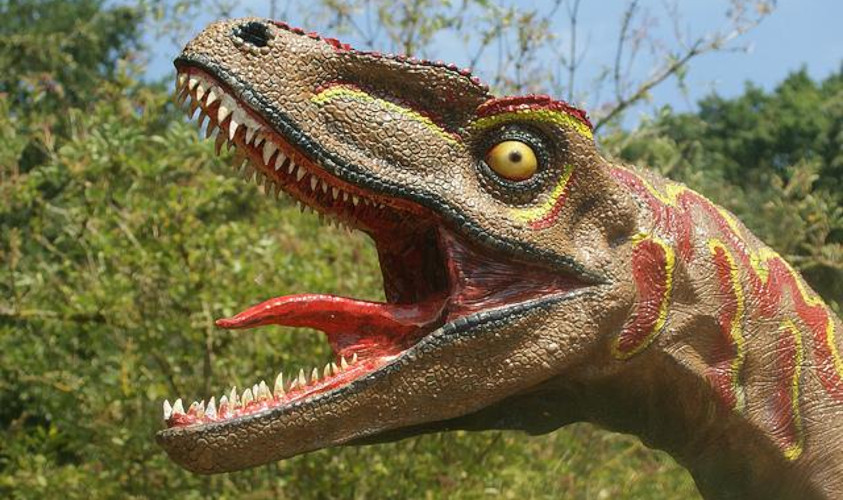
Another Detail Jurassic Park Got Wrong: Dinosaur Tongues
According to research by scientists in China and the US, the ferocious T-rex might not have been able to stick out its tongue.

[INFOGRAPHIC] Quenching Asia-Pacific’s Insatiable Thirst For Energy
We turn the spotlight on the Asia-Pacific region, which will consume more than half of the world's energy by 2035.

Capture Carbon & Generate Fuel At The Same Time
Researchers have developed a catalyst that can simultaneously remove carbon dioxide and generate new diesel fuel.

Generating Clean Electricity From Torpedo Rays
Scientists in Japan have developed a new type of electric generator inspired by electric rays.

Genome Of Industrial Microorganism Reveals High Tolerance Of Toxic Chemicals
Not only is Clostridium tyrobutyricum able to produce butyric acid, it is also has a higher tolerance to toxic 1-butanol than other bacterial strains.