


The Asian Scientist 100
Di Li
Institution
National Astronomical Observatories of the Chinese Academy of Sciences
Country
China
Field
Aerospace & Astronomy
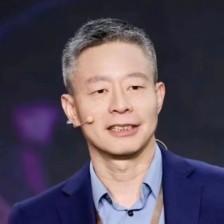
Li received the Marcel Grossmann Award for his pioneering contributions in the field of fast radio bursts. Li is the first scientist in China to receive this prize for research conducted within China.
(Photo: The Paper)
AWARDS
- Marcel Grossmann Award
Related articles
Matchmaking Inventors & Investors At Techventure 2014
Don't miss Asia's top networking and technology showcase happening on September 24-25, 2014 at Marina Bay Sands.

SG-SPIN Boosts Singapore’s Spintronic Capabilities
The Singapore Spintronics Consortium (SG-SPIN) will facilitate research collaborations between academia and industry.
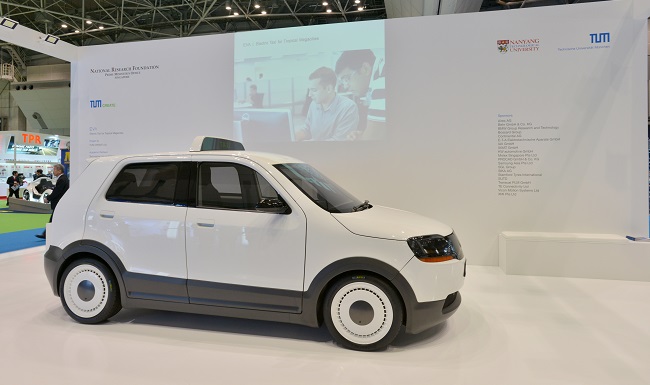
NTU & TUM Launch Made-In-Singapore Electric Taxi
Named EVA, the electric taxi is specially adapted to the tropics, with energy-efficient air conditioning and other features.
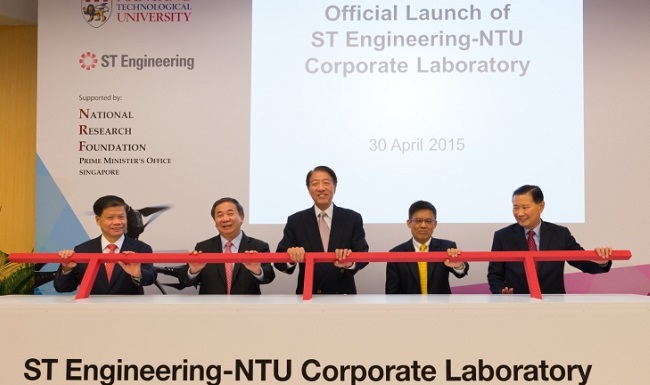
ST Engineering & NTU Robotics Lab Backed By US$40 Million Grant
The National Research Foundation of Singapore has awared the ST Engineering-NTU Corporate Lab for advanced robotics and autonomous systems a US$40 million grant.

7 Must-Read Stories In July 2015
Singaporean stories proved popular in July, making up five of the top seven most read articles.

Luxembourg And Singapore Establish Bilateral Research Collaborations
Singapore has entered a bilateral research collaboration with Luxembourg, focusing on materials science and business analytics.

Asian Scientist Junior Book Series Launched
The six books each feature a prominent researcher from Asia to inspire children towards careers in science, technology, engineering and mathematics.

How Immune Cells Keep Arteries Supple
Special white blood cells that express a protein called LYVE-1 are responsible for maintaining the elasticity of blood vessels, scientists say.
Tokyo Tech & Tohoku University Take A Quantum (Computing) Leap
Tokyo Institute of Technology and Tohoku University will join forces to carry out basic and applied research in quantum computing.