


The Asian Scientist 100
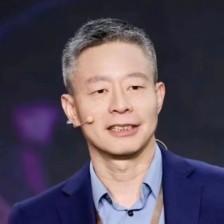
Di Li
Institution
National Astronomical Observatories of the Chinese Academy of Sciences
Country
China
Field
Aerospace & Astronomy
Li received the Marcel Grossmann Award for his pioneering contributions in the field of fast radio bursts. Li is the first scientist in China to receive this prize for research conducted within China.
(Photo: The Paper)
AWARDS
- Marcel Grossmann Award
Related articles

Declining Japanese Encephalitis Immunity Tied to Intensified Dengue
A study in Nepal found that maintaining strong immunity against the Japanese encephalitis virus through vaccines could also lower the risk of severe dengue symptoms.
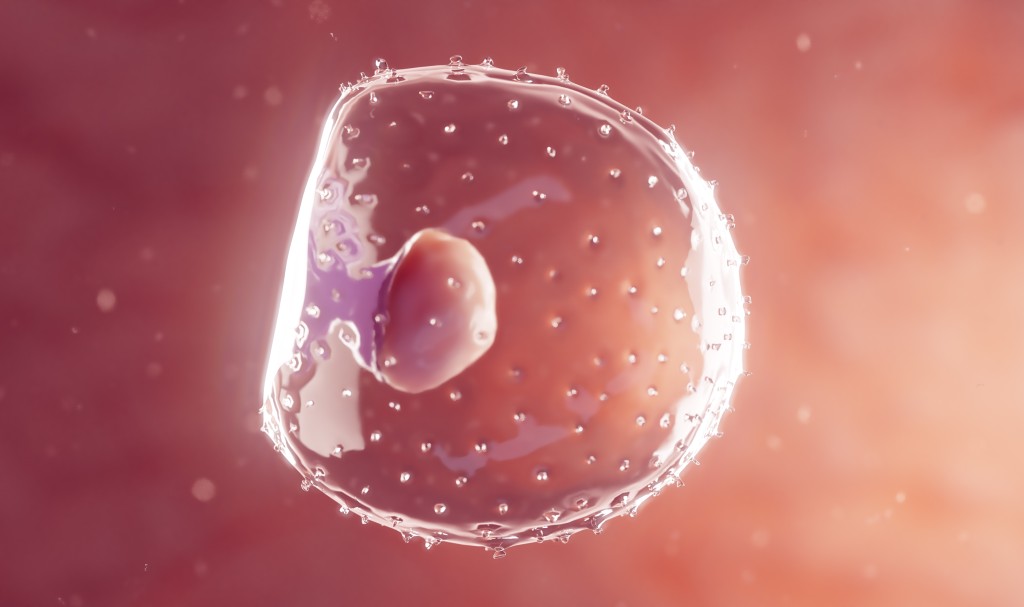
Scientists Recreate Embryo Implantation In The Lab
A lab-based model that mirrors how embryos embed into the uterus could help unravel why pregnancies fail at this crucial stage.

Filipino Researchers Decode A Rare Weather Mystery
The study mapped nearly two decades of hail events in the Philippines, revealing that these icy storms, although rare, are more widespread than previously believed.
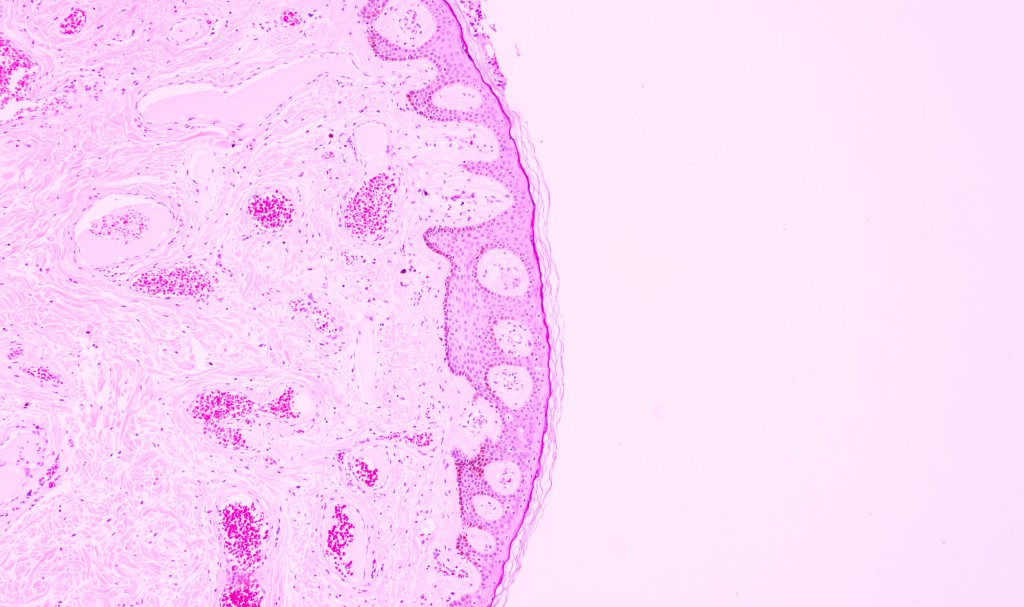
How Lung and Breast Cells Fight Cancer Differently
The study findings can help develop early-stage cancer prevention strategies.

El Niño Is Driving Insect Declines In Tropics
In pristine tropical forests, El Niño events are threatening insect diversity.

How Dengue Reprograms The Immune System
Dengue infection rewires the immune system’s baseline, boosting vaccine response but potentially increasing risk.

Protein Discovery In The Age Of AI
Twist Bioscience’s high-throughput DNA synthesis platform is enabling AI researchers to compress protein discovery timelines and expand therapeutic possibilities.
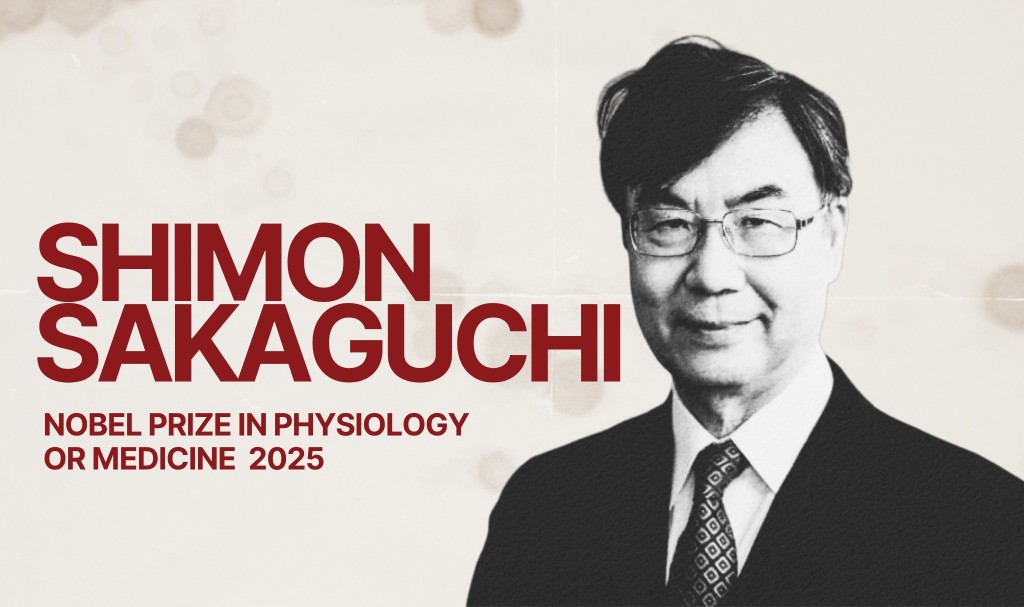
Japan’s Shimon Sakaguchi Shares Physiology Nobel Prize With Two Other Scientists
The scientists won the award for their fundamental discoveries relating to peripheral immune tolerance.

Igniting Customer-Centric Growth: A Conversation With Padraig McDonnell Of Agilent Technologies
Agilent’s long-standing presence in Singapore signals a strategic commitment to innovation, partnerships and global science made practical for real-world impact.