


The Asian Scientist 100
Can Li

Institution
University of Hong Kong
Country
Hong Kong
Field
Engineering
Li is a recipient of the 2023 Croucher Tak Wah Mak Innovation Award for his research exploring the limitations of digital computers in performing tasks accomplished by the human brain, including recognising faces, reasoning based on vague information, and learning from experience.
(Photo: University of Hong Kong)
AWARDS
- 2023 Croucher Tak Wah Mak Innovation Award
Related articles

Lettuce Grown Under LED Lights Have Lower Nitrates
To grow lettuce with more antioxidants and less nitrates, simply expose to continuous red-blue and green LED light for 24 hours.

World’s Oldest Ground-Edge Ax Found In Australia
Archaeologists in western Australia have unearthed fragments of the world’s oldest-known ground-edge ax, dating back to between 46,000 and 49,000 years ago.

Melatonin Suppresses Activity Of Brain Tumor Stem-Like Cells
The ‘sleep hormone’ melatonin directly targets stem-like cells of glioblastomas by altering their biology and inhibiting their ability to multiply.

Male Pheromone Makes Mice More Aggressive
ESP1 not only promotes sexual behavior in females, but acts on males as well—and even the mouse secreting it.

A Young Scientist’s Starfish-Filled Holiday
With a science-obsessed kid in tow, any vacation can become a wonder-filled, educational scientific adventure.

A Bird’s Eye View Of Ancient Human Migration
Even when no genetic information is available, the prehistoric movements of people can be simulated using current topographical satellite data.
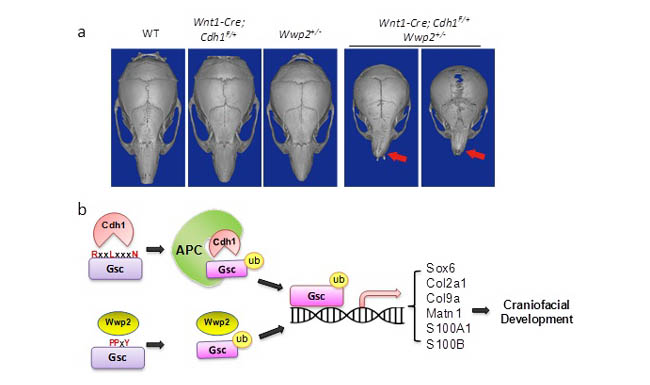
Two Genes Linked To Skull Abnormalities Identified
Mutations in two genes—Cdh1 and Wwp2—have been shown to cause facial malformation in mice.

Ice Age Eurasians Lost Neanderthal DNA As They Migrated
Upon arrival in Europe some 45,000 years ago, ancient Eurasians began to lose some of their Neanderthal DNA, study shows.

How To Make Li-S Batteries More Efficient? Carbon Spheres & Nanotubes
The challenges of producing lithium-sulfur batteries on a large scale can potentially be solved through carbon spheres and 3D nanostructures.