


The Asian Scientist 100
Can Li

Institution
University of Hong Kong
Country
Hong Kong
Field
Engineering
Li is a recipient of the 2023 Croucher Tak Wah Mak Innovation Award for his research exploring the limitations of digital computers in performing tasks accomplished by the human brain, including recognising faces, reasoning based on vague information, and learning from experience.
(Photo: University of Hong Kong)
AWARDS
- 2023 Croucher Tak Wah Mak Innovation Award
Related articles

B Cells Found To Contribute To Sepsis
B cells, better known for producing antibodies, have now been found to also play an important role in the inflammatory response against bacterial toxins during sepsis.

Macromolecule Packs Three-Hit Combo Against Viruses
Just a small amount of this macromolecule could potentially neutralize an entire room infected with viruses such as Ebola.

Enzyme ‘Snitches’ On Cancer Cells To The Immune System
By cutting DNA in the nucleus of a cancer cell, the enzyme MUS81 reveals their location to immune cells, triggering an attack.

Reading Your Opponent’s Face In Martial Arts Could Help You Win
In taekwondo, the ability to analyze facial emotions could give you an edge in a sparring match.

Helping Lab-On-A-Chip Devices To ‘Swallow’ With Electro-Osmosis
Mimicking how muscles push food down the esophagus allows microdevices to move fluids; adding an electric field helps to further control this motion.

NAOC & CSIRO Develop World’s Largest Single Dish Telescope
Chinese and Australian teams are collaborating on the design and construction of the Five-hundred-meter Aperture Spherical Telescope in China.

Obesity On The Rise In Indonesia
Indonesia is experiencing both under- and over-nutrition at the same time, prompting researchers to call for a public health policy overhaul.
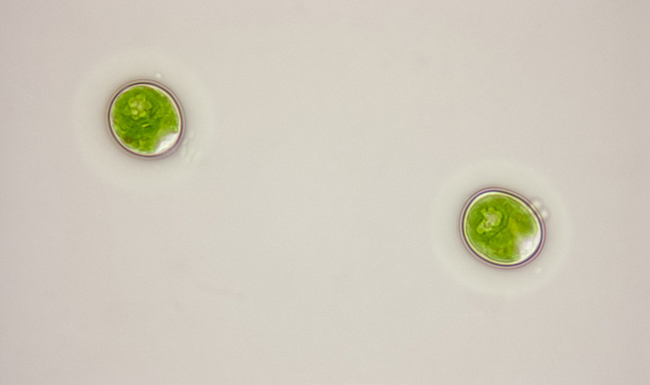
Green Algae Chase Light With The Help Of ‘Eyespots’
Clusters of pigment called ‘eyespots’ on the surface of the unicellular algae, Chlamydomonas reinhardtii, help it identify which direction light is coming from.

‘Hammerhead’ Dinosaur Is The Oldest Herbivorous Marine Reptile
Atopodentatus unicus lived 242 million years ago and used its needle-like side teeth to filter-feed, much like a whale's baleen.