


The Asian Scientist 100
Can Li

Institution
University of Hong Kong
Country
Hong Kong
Field
Engineering
Li is a recipient of the 2023 Croucher Tak Wah Mak Innovation Award for his research exploring the limitations of digital computers in performing tasks accomplished by the human brain, including recognising faces, reasoning based on vague information, and learning from experience.
(Photo: University of Hong Kong)
AWARDS
- 2023 Croucher Tak Wah Mak Innovation Award
Related articles

The Brand Of You
Building a personal brand is not about self-promotion; see it as helping others understand your work and inspiring the next generation of scientists.

7 Must-Read Stories In October
Five out of seven of this month’s top stories were from Singapore, including an article on our panel discussion on how to publish well in science.

Modelling Perovskite Interfaces For Better Electronics
A team of researchers in Japan have developed a computational method to model the structure of perovskite interfaces with high resolution and accuracy.

Promising Clinical Results For Takeda’s Dengue Vaccine
Takeda’s dengue vaccine candidate TAK-003 has been shown to provide protection against all four serotypes of the virus for at least 18 months.
Simulating The Flow Of Supercooled Water
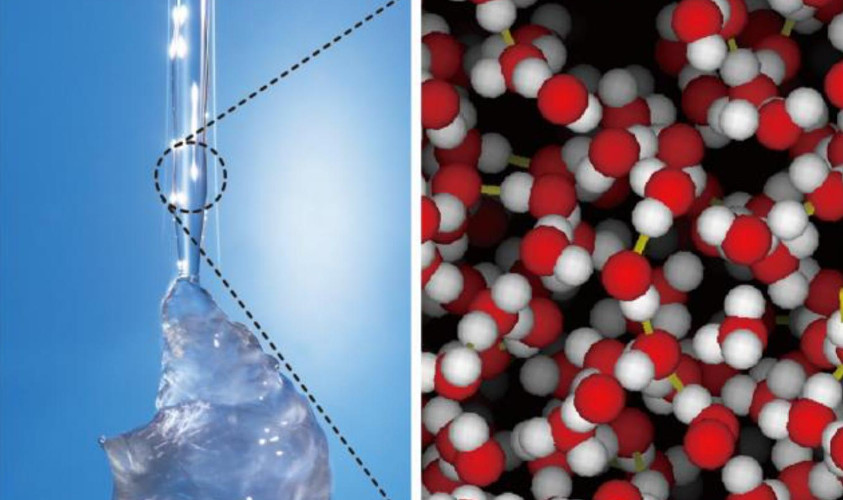
Using highly accurate computer simulations, scientists in Japan have characterized the diffusion and viscosity behavior of supercooled water.

Metals Show How Liquids Turn Into Glass
By cooling an organic metal material at different rates, scientists in Japan have gained a better understanding of how liquids turn into glass.

High Blood Pressure In China Spiraling Out Of Control
More and more people in China are suffering from high blood pressure, but proper medication to manage the disease is often lacking.

Room To Grow The Grid
Although both formats have their merits, cul-de-sac-dominated Singapore could benefit from more grid roads like those in New York City, says SMU Associate Professor Hsu Wen-Tai.
Predictor Of Deadly Cancer Common In Asia Discovered
Researchers have identified a novel prognostic indicator in one of the most common malignant tumors in southern China and Southeast Asia.