


The Asian Scientist 100
Can Li

Institution
University of Hong Kong
Country
Hong Kong
Field
Engineering
Li is a recipient of the 2023 Croucher Tak Wah Mak Innovation Award for his research exploring the limitations of digital computers in performing tasks accomplished by the human brain, including recognising faces, reasoning based on vague information, and learning from experience.
(Photo: University of Hong Kong)
AWARDS
- 2023 Croucher Tak Wah Mak Innovation Award
Related articles

Asia’s Rising Scientists: Nethia Mohana Kumaran
Dr. Nethia Mohana Kumaran dreams of a future where cancer is treated according to its mutations, using targeted therapy rather than a ‘one-size-fits-all’ strategy.

Smoking Increases Risk Of Nasopharyngeal Cancer Relapse
Survivors of nasopharyngeal carcinoma who are former or current smokers are more likely to have their disease progress, relapse, or spread, according to a study.

Tessa Therapeutics Completes Acquisition of Euchloe Bio
Tessa Therapeutics has fully acquired Euchloe Bio, a biotech company focused on developing and commercializing therapeutic antibodies.

Winners Of Malaysia’s 2017 L’Oréal-UNESCO Fellowship Announced
Ho Weang Kee, Jasy Liew Suet Yan and Teh Su Yean have won this year’s L’Oréal-UNESCO For Women in Science Fellowship Awards in Malaysia.

Asia’s Calcium Intake “Alarmingly Low”
Scientists of the International Osteoporosis Foundation have discovered that Southern and Eastern Asians had the world's lowest average calcium intakes.

Why So Many Alzheimer’s Drugs Have Failed
Scientists in Japan have demonstrated why drugs targeting the enzyme that produces the protein plaques in Alzheimer's disease patients fail in clinical trials.

Sumatran Tiger Population On The Road To Recovery
Conservation efforts have helped increase the population of critically endangered Sumatran tigers, according to scientists in Indonesia.

Finding Faults Within An Earthquake Zone In Japan
A large mass of rock and sediment accumulated in the Nankai trough is responsible for the violent tectonic behavior of the region.
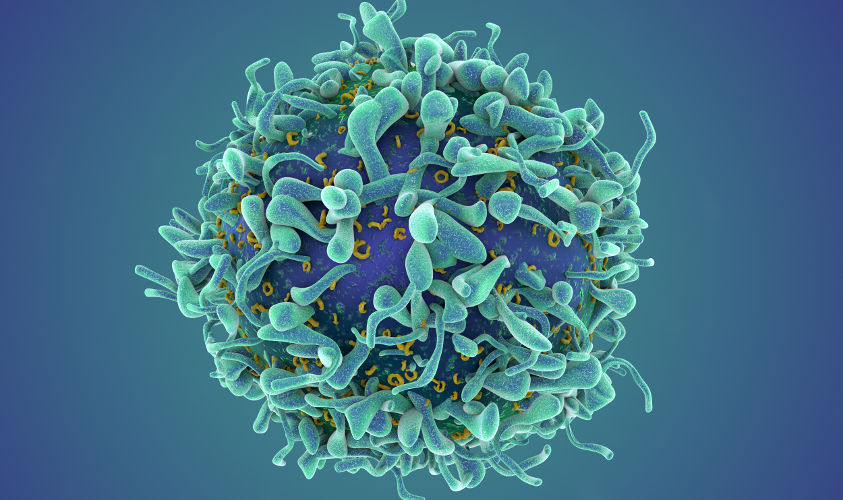
Prolonged Immune Activation Changes Behavior In Mice
Scientists in Japan have demonstrated that the prolonged activation of immune cells affects the production of neurotransmitters in the brain, leading to behavioral changes.