


The Asian Scientist 100
Can Li

Institution
University of Hong Kong
Country
Hong Kong
Field
Engineering
Li is a recipient of the 2023 Croucher Tak Wah Mak Innovation Award for his research exploring the limitations of digital computers in performing tasks accomplished by the human brain, including recognising faces, reasoning based on vague information, and learning from experience.
(Photo: University of Hong Kong)
AWARDS
- 2023 Croucher Tak Wah Mak Innovation Award
Related articles

Giving AI A Fair Trial
Society must carefully weigh the merits and potential pitfalls of advanced AI that can do the work of junior lawyers, make judicial decisions and influence human behavior, said experts at SMU’s Future of Law Conference.

Harmful Bacteria Hitch A Ride On Houseflies
Scientists in Singapore have sequenced the genomes of flies and their associated bacteria to demonstrate that flies may be used for disease monitoring.

Model Mice Mimic ALS
Using a transgenic mouse model, scientists have found the accumulation of TPD-43 in neurons is related to motor and memory deficits.
Spin To Re-Create Nature’s Shapes
Using the centripetal force of a rotating fluid, researchers in South Korea have been able to make particles assemble into shapes found in nature.

Extending The Range Of Water-Splitting Light
A team of researchers have produced hydrogen fuel from water using less energetic near-infrared light.
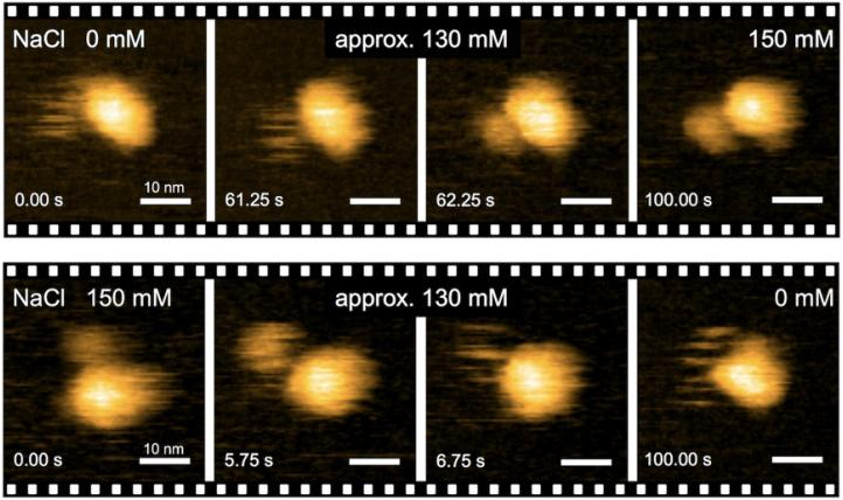
How Bacterial Motors Shift Into High Gear
Using high-speed atomic force microscopy, scientists in Japan have uncovered the mechanism by which bacterial motors are assembled and activated.
Just Like You, Chimpanzees Get Disgusted Too
Scientists in Japan have found that there may be a protective basis for the emotion of disgust in primates.

Flower Disguises As Mushroom To Get Pollinated
Scientists in Japan have discovered that the flowers of the ‘cast iron plant’ mimic mushrooms to attract fungus gnats, which assist with pollination.

10 Lab Hacks That Could Save You Time And Effort
Ever wondered why some scientists seem so carefree in the lab? Perhaps they've optimized their protocol with some of these lab hacks.