


The Asian Scientist 100
Can Li

Institution
University of Hong Kong
Country
Hong Kong
Field
Engineering
Li is a recipient of the 2023 Croucher Tak Wah Mak Innovation Award for his research exploring the limitations of digital computers in performing tasks accomplished by the human brain, including recognising faces, reasoning based on vague information, and learning from experience.
(Photo: University of Hong Kong)
AWARDS
- 2023 Croucher Tak Wah Mak Innovation Award
Related articles

Six Researchers Awarded The 2017 Infosys Prize
Six scientists have been awarded the prestigious Infosys Prize 2017, each receiving US$100,000 for their excellence in research.

Kerry Sieh Elected As AAAS Fellow
Sieh, director of the Earth Observatory of Singapore, has been elected as an AAAS fellow for his contributions to paleoseismology and natural hazards research.

Asia’s Scientific Trailblazers: Amit Sharma
Dr. Amit Sharma is leading the charge in the search for new drugs against the ancient scourge of malaria.

Asia’s Scientific Trailblazers: G. Ravindra Kumar
Science is an uphill task, but one that laser physicist Professor G. Ravindra Kumar relishes and is deeply passionate about.
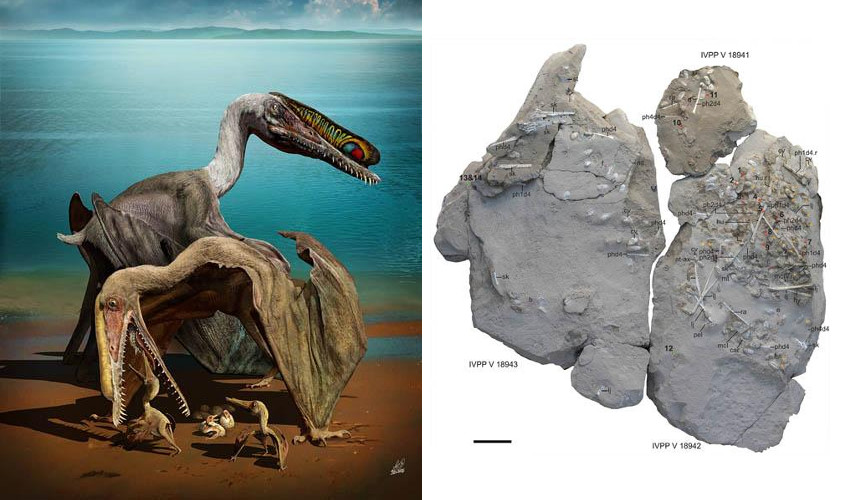
Fossilized Eggs Shed Light On Flying Dinosaurs
Three-dimensionally preserved eggs of pterosaurs reveal the history behind the life cycle of the dinosaur.

Why Some El Niño Events Are Harder To Predict
Current climate prediction models have systematic biases that skew their ability to predict central Pacific El Niño events, researchers say.

Kazutoshi Mori Wins 2018 Breakthrough Prize
Kazutoshi Mori was recognized for his discovery of the unfolded protein response, a cellular quality-control system that detects disease-causing unfolded proteins and directs cells to take corrective measures.

Ramp Up Your Resume
Having a well-crafted CV is the first step through the door to a desired job; here are four tips to help you put together a polished one.

Memory Of Faces Declines In Early Dementia
Scientists in Japan have demonstrated that the ability to memorize faces decreases during the preliminary stages of dementia.