


The Asian Scientist 100
Can Li

Institution
University of Hong Kong
Country
Hong Kong
Field
Engineering
Li is a recipient of the 2023 Croucher Tak Wah Mak Innovation Award for his research exploring the limitations of digital computers in performing tasks accomplished by the human brain, including recognising faces, reasoning based on vague information, and learning from experience.
(Photo: University of Hong Kong)
AWARDS
- 2023 Croucher Tak Wah Mak Innovation Award
Related articles

Long-Term Antacid Use Linked To Increased Stomach Cancer Risk
Scientists have found that the risk of stomach cancer is higher in patients previously treated for H. pylori infection if they took proton pump inhibitors over extended periods of time.

AI-Powered Microscope Automatically Spots Malaria Parasites
An advanced microscope producer in China has developed an artificial intelligence-powered microscope that automatically detects malaria parasites in blood smears.

Cambricon Raises US$100 Million In Series A Funding
Cambricon, a China-based artificial intelligence chipmaker, has joined the ranks of tech unicorns with its recent round of series A funding.
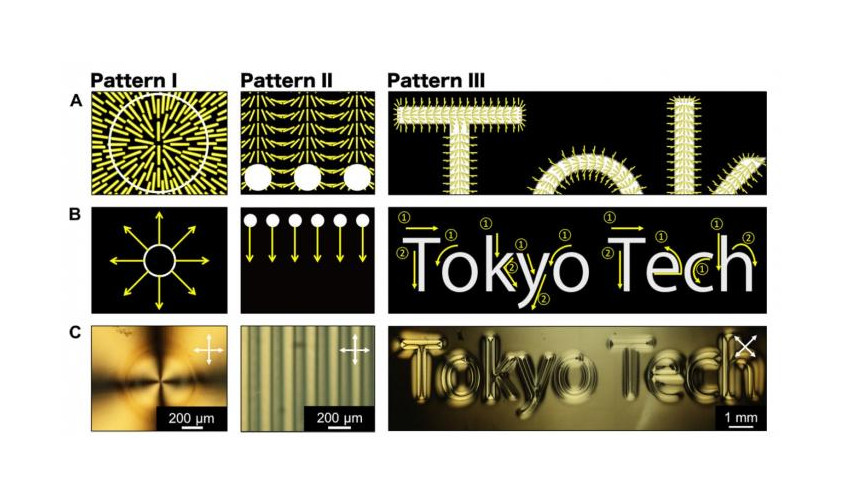
A Dye-Free Method To Manufacture LCDs
Researchers in Japan have developed a scanning wave photopolymerization method for producing liquid crystal displays without the need for dyes.

China Gets The Go Ahead To Use Recombinant Interferon Against Bird Flu
Chinese scientists can now use recombinant chicken α-interferon to prevent and treat avian influenza infection.
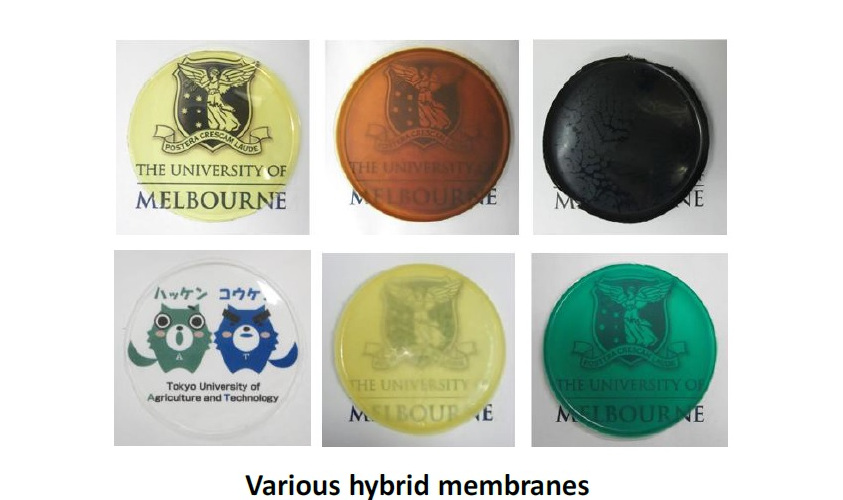
Material Choice Key To Effective Carbon Capture
The choice of material is important for the selective capture of carbon dioxide from industrial gas streams in real-world scenarios.

Mouth Bacteria Can Mess Up The Gut
Researchers in Japan have demonstrated that oral bacteria can colonize the gut and contribute to inflammatory bowel disease.

A Searchlight For Diseased Tissues
Scientists have created nanoparticles that are 20 to 120 times more sensitive than existing disease imaging methods.

Owl Eyes Inspire Brighter Light Displays
Inspired by the retroreflective characteristics of the eyes of nocturnal animals, researchers have created a brighter flexible electroluminescent film.