


The Asian Scientist 100
Can Li

Institution
University of Hong Kong
Country
Hong Kong
Field
Engineering
Li is a recipient of the 2023 Croucher Tak Wah Mak Innovation Award for his research exploring the limitations of digital computers in performing tasks accomplished by the human brain, including recognising faces, reasoning based on vague information, and learning from experience.
(Photo: University of Hong Kong)
AWARDS
- 2023 Croucher Tak Wah Mak Innovation Award
Related articles

Heart Research Has A Gender Bias
The underrepresentation of women in heart research and treatment has perpetuated the widespread misconception that cardiovascular diseases are more common in men. Some women researchers in Asia have come forward to challenge that.

Moderate Morning Light In Bedroom Can Enhance Wakefulness
Residential architectural designs should incorporate elements such as exposure to natural light in bedrooms to improve alertness.

Antibiotic Resistant Bug Found in Retail Chicken In Bangladesh
E. albertii is known to cause gastrointestinal diseases in humans, such as watery diarrhea, abdominal pain, vomiting and fever.

This AI Plant Doctor Can Monitor Urban Plant Health
The hybrid machine learning software can detect damaged foliage regardless of lighting and shape variations in the leaves.
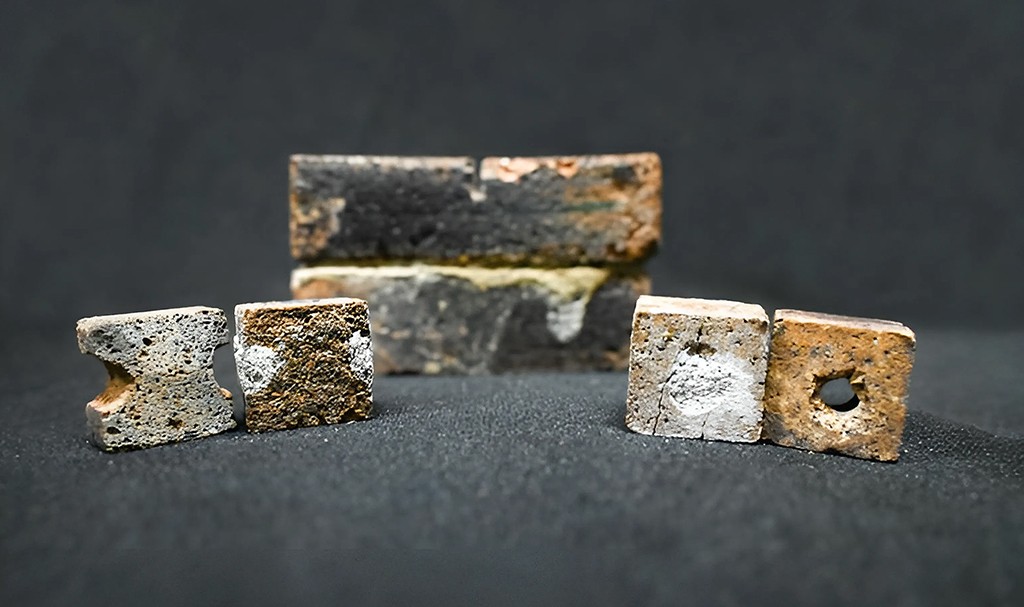
Scientists Use Bacteria To Repair Bricks In Space
A mix of calcium carbonate produced by soil bacterium Sporosarcina pasteurii and guar gum may hold the key to repair broken bricks in lunar space.

Biomarkers Identified For Better Diagnosis Of Peri-Implantitis
Researchers in South Korea have identified unique genetic markers of the chronic inflammatory disease that affects dental implants.

New Non-Invasive Brain Surgery Can Help Treat OCD
Magnetic resonance-guided focused ultrasound (MRgFUS) capsulotomy non-invasively and precisely removes tissues in the brain region of interest.

This New Gene Therapy May Treat Genetic Deafness
A gene editing tool specialised to target inner ear cells holds the potential to treat genetic hearing loss.
Charisma Counts In Biodiversity Conservation
82.9 percent of the conservation funds were allocated to beautiful vertebrates, while plants and invertebrates only received 6.6 percent each.