


The Asian Scientist 100
Can Li

Institution
University of Hong Kong
Country
Hong Kong
Field
Engineering
Li is a recipient of the 2023 Croucher Tak Wah Mak Innovation Award for his research exploring the limitations of digital computers in performing tasks accomplished by the human brain, including recognising faces, reasoning based on vague information, and learning from experience.
(Photo: University of Hong Kong)
AWARDS
- 2023 Croucher Tak Wah Mak Innovation Award
Related articles

How Gene Shuffling And Selection Led To SARS-CoV-2
SARS-CoV-2 might have emerged through the shuffling and evolutionary selection of viral genes across different species, scientists say.
Asia’s Scientific Trailblazers: Maoi Arroyo
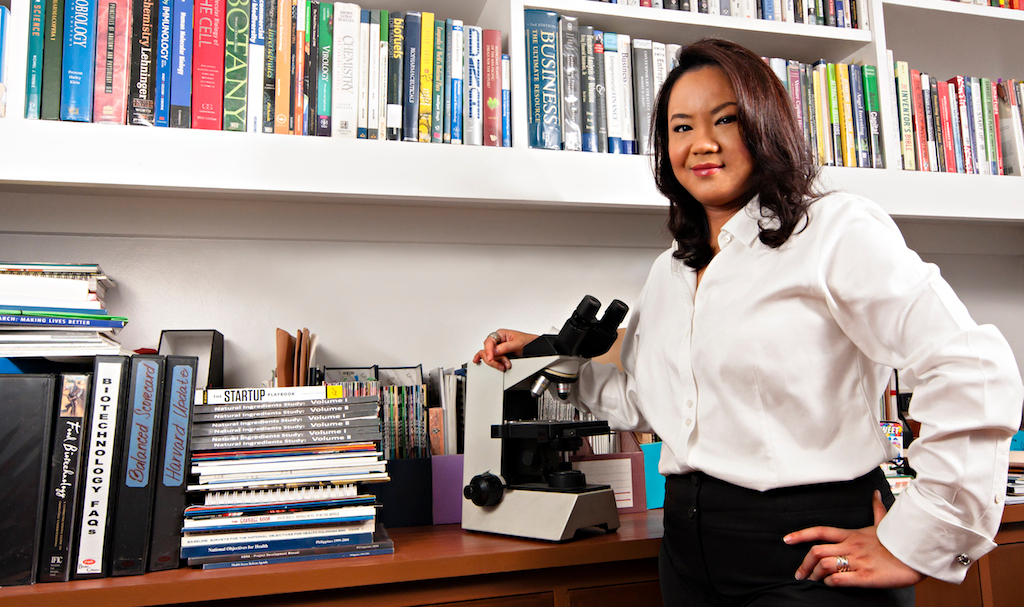
Biologist by training and entrepreneur by spirit, Maoi Arroyo aspires to build a strong biotechnology ecosystem in the Philippines.

Subra Suresh Honored With 2020 ASME Medal
NTU Singapore President Subra Suresh has been awarded the American Society of Mechanical Engineers’ highest honor, the ASME Medal.
Adult-Born Neurons Key To Memory Consolidation In Mice
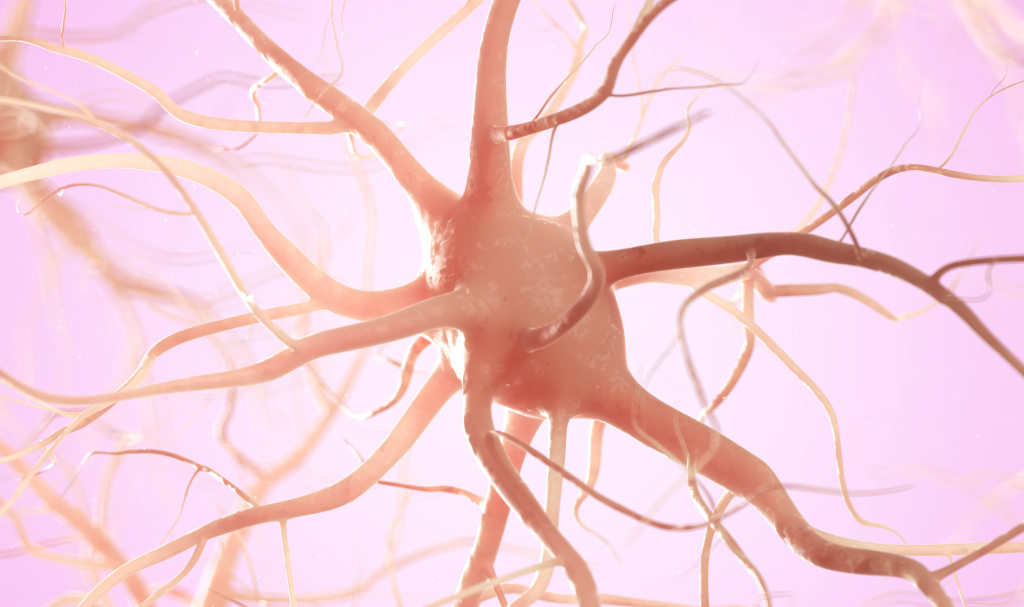
Adult neurogenesis is essential for sleep-induced memory consolidation in mice, a new study shows.

Bilingualism Delays The Brain’s Aging Process
If you can speak two languages, sticking with one or the other could help prevent age-related cognitive decline, scientists say.
‘Keystone’ Species Key To Rebuilding Gut Microbiota After Antibiotics
The discovery of gut bacteria critical to restoring gut health offers new insights into microbiome recovery after antibiotic treatment.

Diagnosing COVID-19 In An Hour
Researchers in Singapore have developed a point-of-care diagnostic system for COVID-19 that is portable, easy to use and produces results in about an hour.

Engineered For Innovation (VIDEO)
Peter Ho, CEO of engineering company HOPE Technik, aims to deliver bespoke engineering solutions with real-world impact.

Test Detects SARS-CoV-2 Neutralizing Antibodies In Hours
Not only is it much faster than conventional tests, it does not need to be performed in special biosafety laboratories.