


The Asian Scientist 100
Can Li

Institution
University of Hong Kong
Country
Hong Kong
Field
Engineering
Li is a recipient of the 2023 Croucher Tak Wah Mak Innovation Award for his research exploring the limitations of digital computers in performing tasks accomplished by the human brain, including recognising faces, reasoning based on vague information, and learning from experience.
(Photo: University of Hong Kong)
AWARDS
- 2023 Croucher Tak Wah Mak Innovation Award
Related articles

Make Cloth Masks With At Least Two Layers: Study
Which mask works best? A study filmed people coughing and sneezing to find out.

120-Million-Year-Old Ancient Croc Walked On Hind Legs
Paleontologists were puzzled by the absence of hand impressions at the excavation site, given that modern-day crocodiles are four-legged.
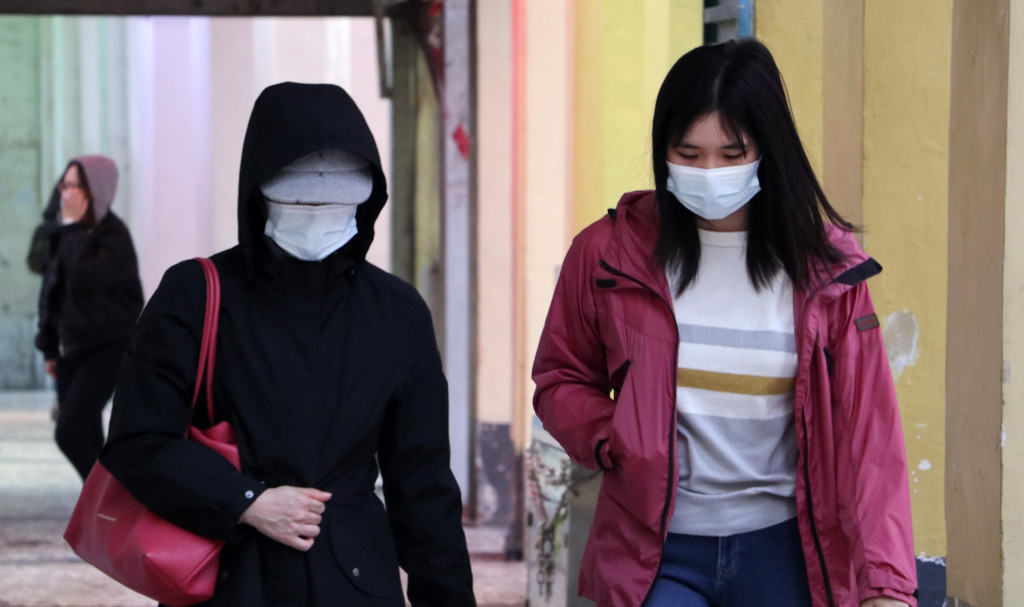
Silent COVID-19 Infections Responsible For Early Spread: Study
Silent infections may have contributed to the rapid spread of COVID-19 at the dawn of the pandemic, a modeling study in China shows.

Technology Is Tackling Some Of Agriculture’s Thorniest Issues
There is both a science and art to agritech, and when used correctly it can reverse the biggest challenges farmers face, from climate change to super-invasive pests.
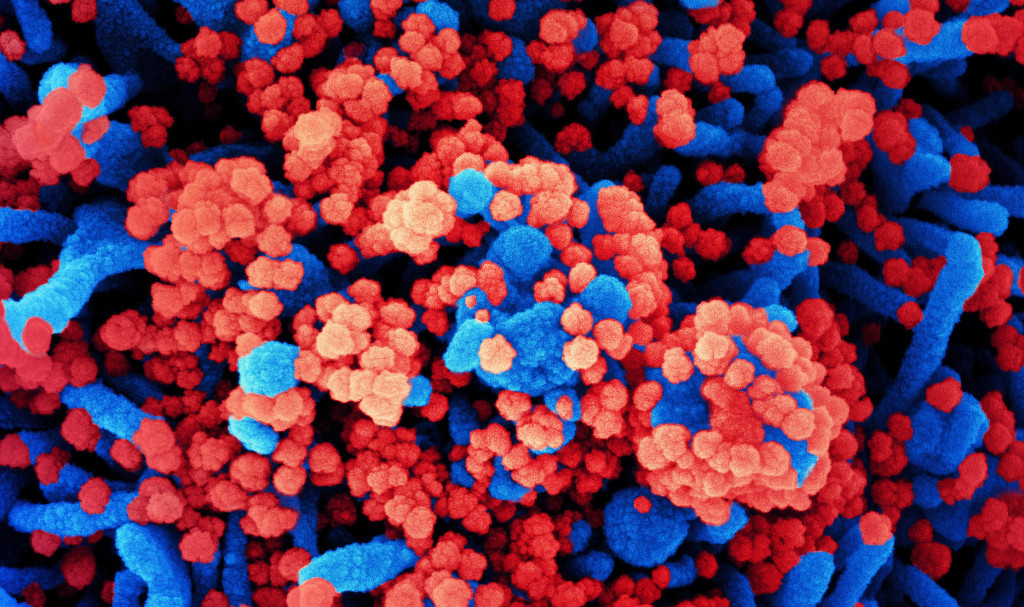
Some Uninfected People Have T-Cell Immunity To COVID-19
Researchers were surprised to find memory T-cells in people with no history of SARS, COVID-19, or contact with SARS or COVID-19 patients.
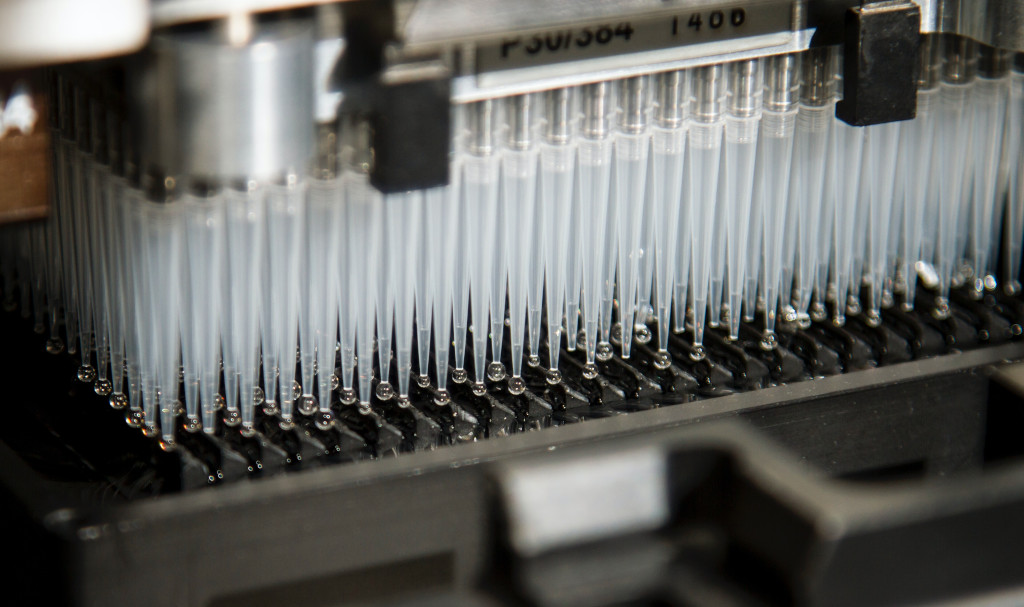
Speeding Up Virus Detection At Scale
Instead of detecting specific viral sequences, this universal virus detection platform looks for double stranded RNA.
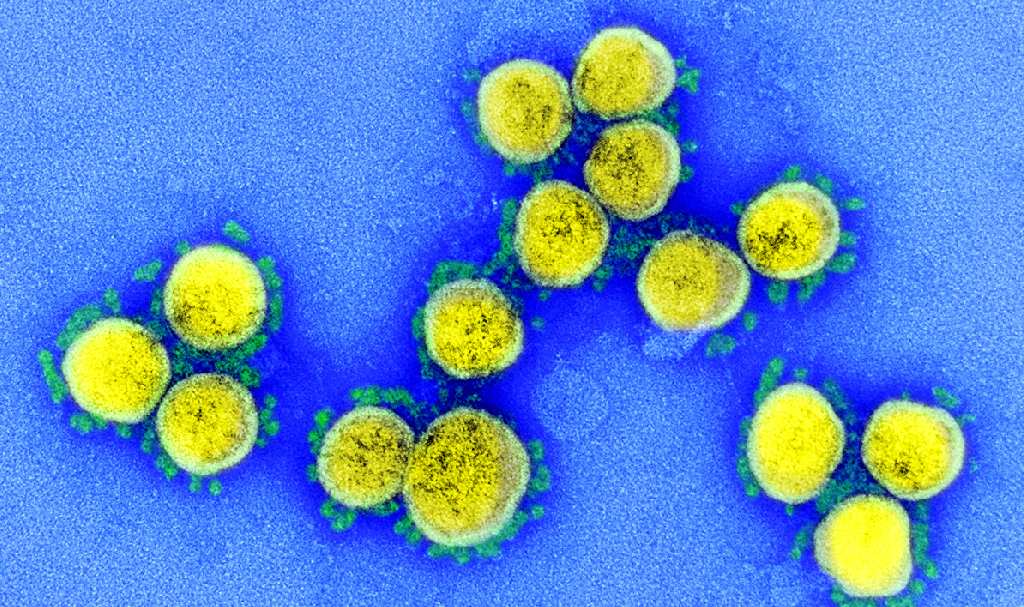
Tracking COVID-19 Through Wastewater
Researchers have suggested tracking the presence of SARS-CoV-2 in wastewater to monitor the spread of COVID-19 in communities.

Automating The Way Towards Ultra-precise Surgeries (VIDEO)
Mr. Alan Goh, co-founder of NDR Medical Technology, is helping realize the potential of minimally invasive surgeries through robotics and artificial intelligence.
China Uses Quantum Satellite To Send ‘Secret Key’ Over 1,000km
They were able to exchange a cryptographic key over 1,000 kilometers, illustrating the possibility of a future global quantum communication network.