


The Asian Scientist 100
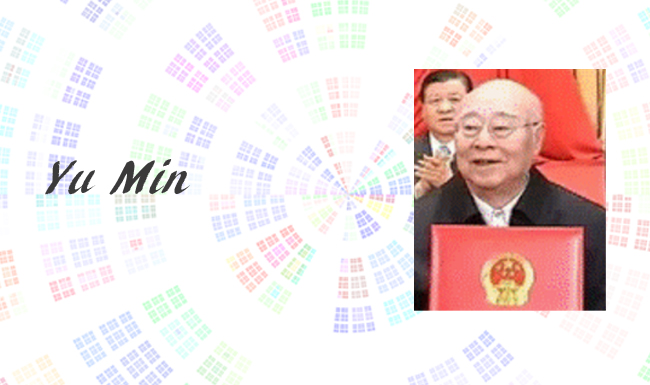
Yu Min
Academician
Institution
Chinese Academy of Sciences
Country
China
Field
Physics
Yu was given the 2014 National Highest Science and Technology Award, China’s top science award, for his research into hydrogen bombs.
(Photo: Peking University)
Related articles
A Flashy Trip Down Memory Lane
A novel memory device built by a Taiwan-Japan research team using perovskite material could enable seamless storage and high-speed data transfer.

A Closer Look Into The Ryugu Asteroid
Primordial material taken from the asteroid Ryugu could shed light on the origins and evolution of the Solar System, including life on Earth.
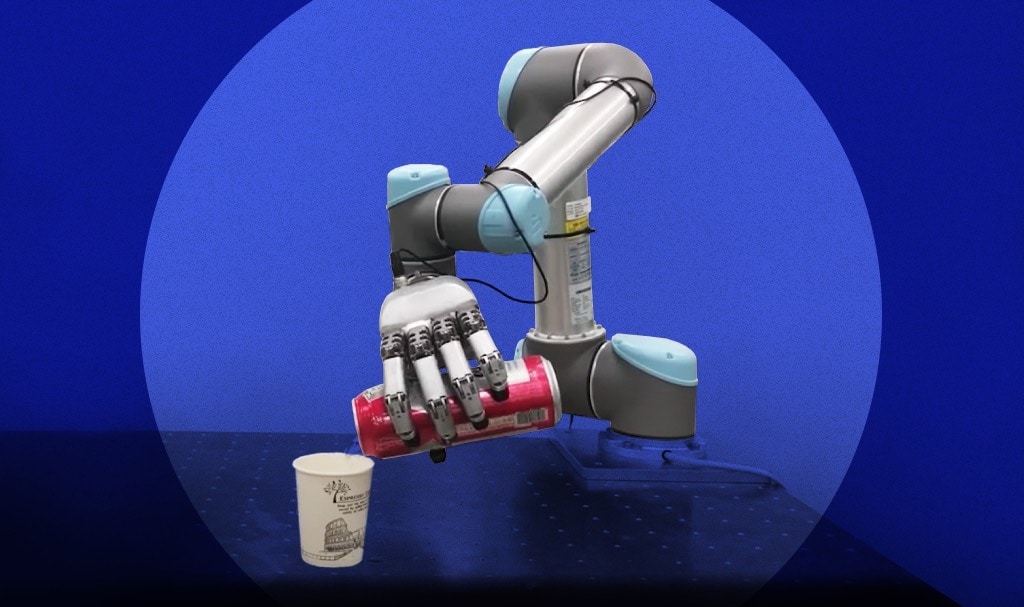
Taking Matters Into Robotic Hands
Researchers from South Korea have built a highly dextrous robotic hand capable of tactile sensation, precise grasping and tool manipulation.

Pretty Grape: How Grape Seed Extract Makes Mice Live Longer
Research from China demonstrates that a flavonoid extracted from grape seeds increases the lifespan of old mice by killing cells that promote aging.

All In The Genes
Precision medicine could reveal the secrets of Asia’s collective DNA without carrying the risks of consumer genetic testing. Here’s how.

Carving A Niche—An Interview With Ho S. Lee Of DeltaTech-Korea Ltd
DeltaTech-Korea Ltd enables businesses that wish to tap into the South Korean market, which is known for its vast test bedding capabilities, through open innovation and cross-border collaborations.

The Lithium-Ion Battery Recycling Revolution
Lithium-ion battery recycling could help to address the need for more raw materials while keeping toxic battery waste out of landfills.
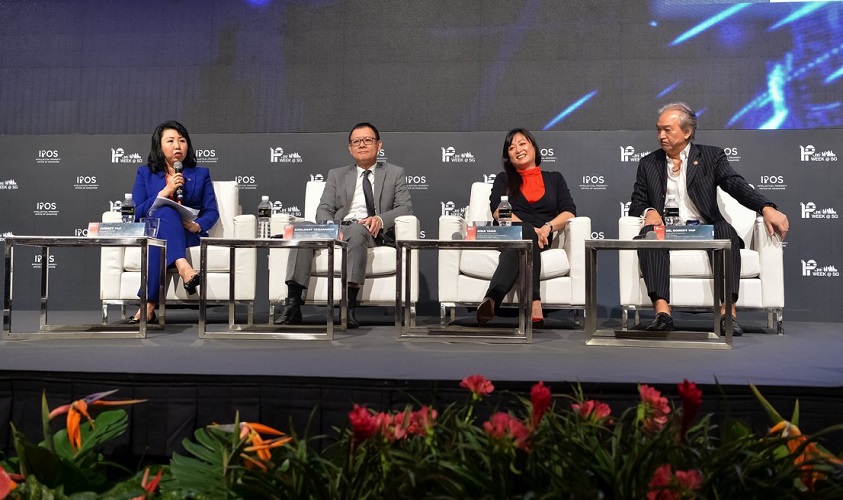
TIPping The Scales In Your Favor
Industry experts from the ASEAN region shared their thoughts on the importance of intellectual property and how to make the most of it.

How China Beat Malaria
After four consecutive years of recording zero local cases, China is officially malaria-free—thanks to an innovative rapid reporting and response model.