


The Asian Scientist 100
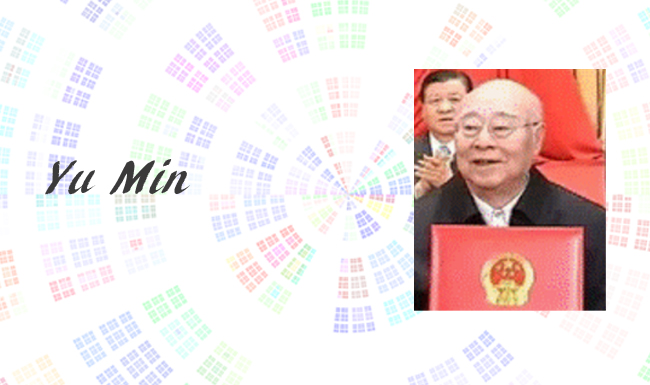
Yu Min
Academician
Institution
Chinese Academy of Sciences
Country
China
Field
Physics
Yu was given the 2014 National Highest Science and Technology Award, China’s top science award, for his research into hydrogen bombs.
(Photo: Peking University)
Related articles

Lim Tae-won: South Korea’s Hydrogen Hero
To pave the way for cleaner transportation, Lim Tae-won is leading South Korea's shift from gasoline-powered vehicles to ones powered by hydrogen fuel cells.

Asian Scientist Magazine’s May 2021 Roundup
From ancient Indonesian caves to the unexplored Martian terrain, Asia’s scientists are making discoveries with vast implications for our world and beyond.

China’s Father Of Hybrid Rice, Yuan Longping, Passes At 90 (In Memoriam)
Yuan Longping's seminal work on cultivating hybrid rice varieties helped feed millions in China and around the world.
Engineering The Future Of Asia
By working at the intersections of the physical, digital and biological spheres, Asia's engineers are ushering in the Fourth Industrial Revolution.

Illuminating The Future Of Energy In Asia
From solar panels to fuel cells, Asia's scientists are relentlessly innovating In the region's quest for energy efficiency and resource sustainability.

Finding New Uses For Old Leprosy Drugs
The leprosy drug clofazimine can block SARS-CoV-2 replication and even prevent the cytokine storm often seen in COVID-19 patients.

Off With Their Heads! Decapitated Sea Slug Head Regrows Body
Much like a body horror movie plot, sea slugs may chop off their own heads to rid themselves of parasites, find scientists in Japan.

Three Ways AI Will Supercharge Lab Diagnostics
From aggregating massive patient datasets to unlocking new insights, artificial intelligence is set to transform clinical laboratories for the better.

Advancing Agriculture In Asia
Asia’s exponential economic growth combined with its vulnerability to threats like climate change has spurred exciting innovations from researchers in the region.