


Asian Scientist Newsroom

ABOUT
Asian Scientist Magazine is an award-winning science and technology magazine that highlights R&D news stories from Asia to a global audience. The magazine is published by Singapore-headquartered Wildtype Media Group.
Stories by Asian Scientist Newsroom

Human iPS-Derived Kidneys Successfully Hook Up To Blood Vessels
In a world first, researchers have successfully connected mouse kidney capillaries with kidney tissue derived from human induced pluripotent stem cells.

Agricultural Use Of Antibiotics Could Create Health Crisis, Experts Warn
China's use of thousands of tons of antibiotics in agriculture is a major cause for concern.

Chinese Herb Suspected To Have Caused Severe Heart Disorder
A 45-year-old Chinese woman experienced severe heart arrhythmia after consuming an extract from the Aconitum plant, also known as devil’s helmet or monkshood.

Meta-Analysis Reveals TCM’s Benefit To Cancer Patients
A systematic review of nearly 24,000 studies has found that traditional Chinese medicine can benefit cancer patients.

Sanofi & Hanmi To Partner On New Diabetes Drugs
The Sanofi-Hanmi deal centers around longer-lasting biologics, which could reduce the frequency of treatment and dosage required for diabetic patients.

The Best Of Both Worlds: Titanium That Is Both Strong & Ductile
By using a combination of long columns of coarse grains in a patchwork of small grains, researchers have designed a metal that is both strong and ductile.

Exercise Helps Mice Escape Side Effects of Epilepsy Drugs
Having access to an exercise wheel seems to protect mice from the negative effects of prenatal exposure to antiepileptic drugs.
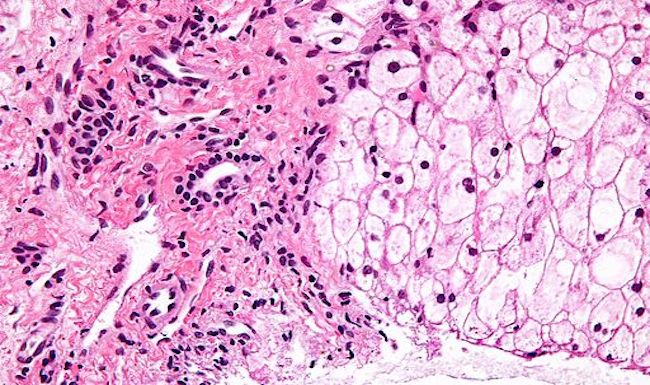
Activating Autophagy To Treat Metabolic Disease
Patients with glucose-6-phosphate deficiency (G6PD) could finally have a way to avoid fatty liver, enhancing their chances of living beyond early adulthood.

Alcoholism Drug Flushes HIV Out Of Hiding
A non-toxic drug currently used to treat alcoholism has been shown to activate dormant HIV in human patients.