


Asian Scientist Newsroom

ABOUT
Asian Scientist Magazine is an award-winning science and technology magazine that highlights R&D news stories from Asia to a global audience. The magazine is published by Singapore-headquartered Wildtype Media Group.
Stories by Asian Scientist Newsroom

Blood Vessel Formation Mathematically Modeled
By combining experiments with computer simulations, scientists have come up with a mathematical model that explains blood vessel formation.

Meteor-Inspired Magnets Without Rare Earth Metals
Researchers have developed a way to create magnets similar to those found in meteorites in a few days instead of billions of years.

Monkeys Harbor Diverse Astroviruses, Including Human Strains
The discovery that monkeys in Bangladesh and Cambodia can harbor viruses normally found in pigs, birds and humans challenges the paradigm that astroviruses are species-specific.

Koala’s Genetic Diversity Suggests Decline Caused By Humans
Unlike other marsupials, koalas are not in bred, suggesting that other factors are responsible for their decline.

Research To Drive Singapore’s Transport Future
The Land Transport Authority of Singapore will work with three local universities to conduct research into improving the country's transport system.

Is The Meat Safe To Eat? Nanotubes Have The Answer
Fluorescent nanotubes that dim in response to amines could be used to detect meat spoilage in near real-time.
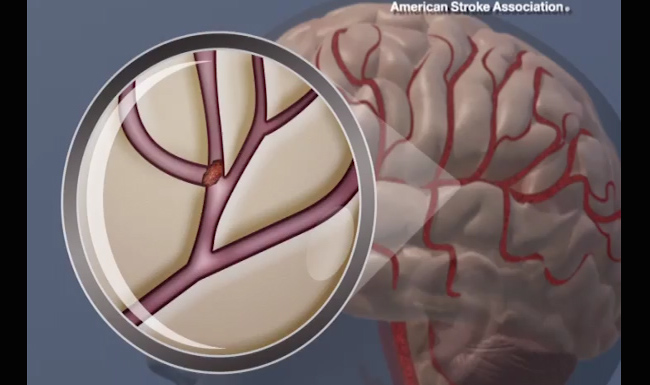
Bilingualism Linked to Better Cognitive Functions After Stroke
Being bilingual doubles the chances of having normal cognitive functions after a stroke compared to monolingual patients.
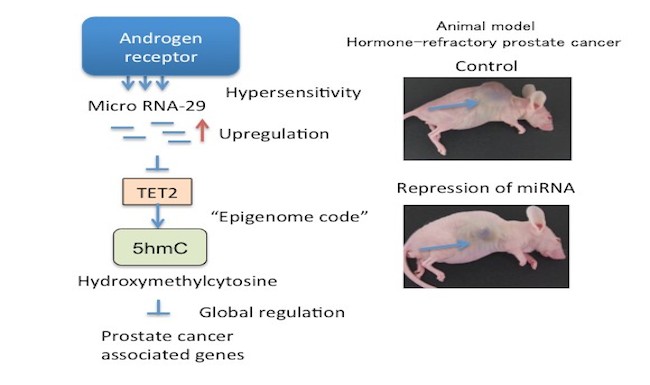
Why Hormone Therapy Becomes Ineffective Against Prostate Cancer
Researchers have identified an miRNA associated with drug-resistant prostate cancer that could be useful as a drug target or diagnostic marker.
RaQualia & Nagoya’s ITbM To Develop Circadian Rhythm Drugs
The academia-industry partnership is hoped to yield small molecule drugs that can treat symptoms of circadian clock disruption.