


Asian Scientist Newsroom

ABOUT
Asian Scientist Magazine is an award-winning science and technology magazine that highlights R&D news stories from Asia to a global audience. The magazine is published by Singapore-headquartered Wildtype Media Group.
Stories by Asian Scientist Newsroom

Celebrating Excellence in Asia With The Asian Scientist 100
These rising stars and veterans hail from diverse sectors in industry and academia, but they all share in one common mission—to make tomorrow a better place for you and me.
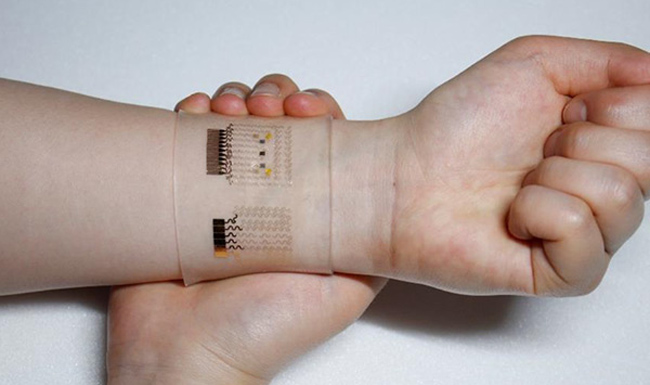
Graphene Patch Monitors Sugar Levels In Sweat
This non-invasive device not only takes continuous glucose measurements but can also automatically deliver drugs if the glucose levels are too high.

The Mystery Of Infrared Background Light From Space, Solved
Researchers have finally figured out where the Universe's background infrared radiation comes from: extremely faint galaxies with very small amounts of dust.

Predicting (And Preventing) Epidemics Before They Happen
Identifying biological factors that predict which viruses are most likely to spread among humans could help prevent and contain outbreaks.

Asian Universities Hold Their Own In QS Rankings Report
Asian universities account for 16 percent of the top 50 spots in this year's QS World University Rankings by Subject report.

WuXi AppTec Expands To South Korea
China-based WuXi Apptec, an R&D capability and technology company, has opened an office in Seoul's Pangyo Techno Valley.
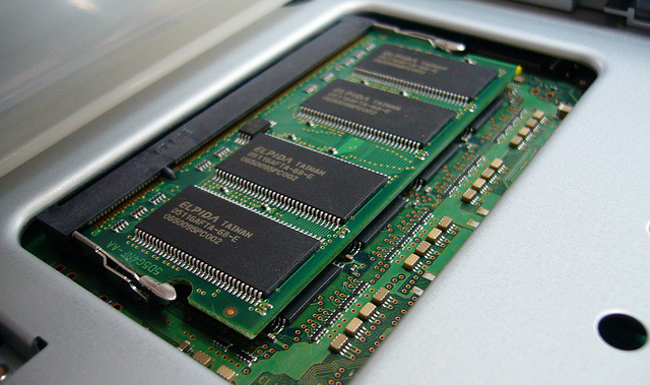
The Magnetic Appeal Of Spin-Orbit Memory
Researchers have developed a new-structure magnetic memory device that can store memory without a power supply.

Targeting Cholesterol To Make T-Cells Better Tumor Killers
A drug already in human trials to treat atherosclerosis could also boost killer T-cell activity against tumors, researchers say.
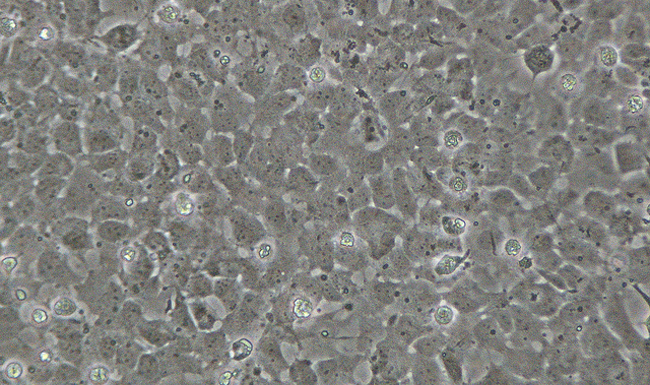
Pluripotency Factor Actually A Telomere Enlongator
Zscan4, originally believed to be involved in pluripotency of stem cells, is actually triggered by shortened telomeres to regenerate the telomere length.