


Asian Scientist Newsroom

ABOUT
Asian Scientist Magazine is an award-winning science and technology magazine that highlights R&D news stories from Asia to a global audience. The magazine is published by Singapore-headquartered Wildtype Media Group.
Stories by Asian Scientist Newsroom

Cambodia And Belgium Strengthen Ties Through Agro-Food Partnership
Universities and partner institutions in Europe and Southeast Asia are partnering on the Erasmus Plus program to further knowledge in agriculture, food science and technology.

The Electrifying Effect Of Astrocytes On Depression
The benefits of stimulating the brain with an electrical current to reduce depressive symptoms come from its effects on astrocytes, not neurons.
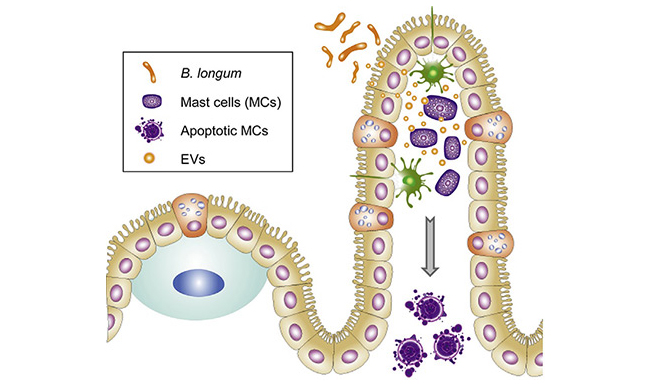
Probiotics Reduce Food Allergy Symptoms In Mice
A protein found in a common probiotic has been found to reduce the effects of egg allergy in mice, opening up possibilities for therapeutic applications.

Gene Linked To Autism Found
Researchers have identified that the PX-RICS gene is responsible for autism found in more than half of patients with Jacobsen syndrome.

Huawei and WuXi AppTec Collaborate On Precision Medicine Cloud Platform
This strategic alliance will put a population genomics system on the cloud to support the delivery of China’s Precision Medicine Initiative.

This Gene Helps Plants “Breathe” At Night
In plants, the AOR gene protects against toxic byproducts of nighttime respiration—and could be used to help plants grow in stressful environments.

Turning Gut Bacteria Into Bioplastic Factories
E. coli, a common gut bacteria, can be engineered to produce biodegradable polymers for use in surgical sutures, among other applications.

Calorie Counting In Roundworms Increases Lifespan
This study adds to the growing body of research into dietary restriction as a powerful natural means for longevity.

Autophagy Pioneer Yoshinori Ohsumi Receives 45th Rosenstiel Award, 15th Wiley Prize
In recognition of his groundbreaking work into autophagy, Ohsumi has been awarded the prestigious Rosenstiel Award and Wiley Prize.