


Asian Scientist Newsroom

ABOUT
Asian Scientist Magazine is an award-winning science and technology magazine that highlights R&D news stories from Asia to a global audience. The magazine is published by Singapore-headquartered Wildtype Media Group.
Stories by Asian Scientist Newsroom
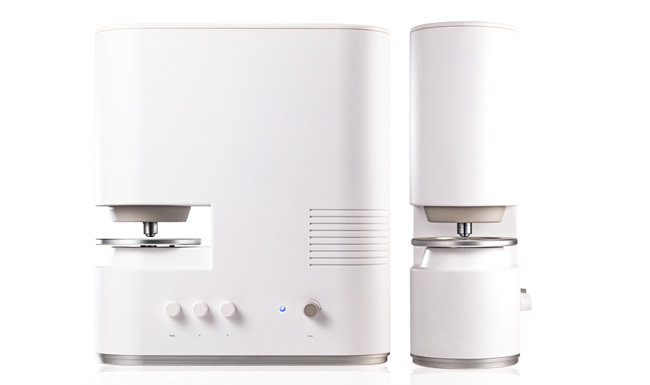
Holographic Microscope Allows Stain-Free 3D Imaging Of Live Cells
This microscope, named holotomography-1, could potentially transform how cell observation is performed.

Researchers Discover Metabolites Related To Aging
These compounds, related to muscle strength and declining organ function, shed light on how the body ages.

Premature Babies Are Just Not That Into You
Preterm infants are less interested in people than full-term infants, suggesting atypical social development and a possible link to autism.

Chinese Professor Wins 2016 L’Oréal-UNESCO For Women In Science Award
Professor Chen Hualan from the Harbin Veterinary Research Institute in China is the only scientist from Asia to receive this award.
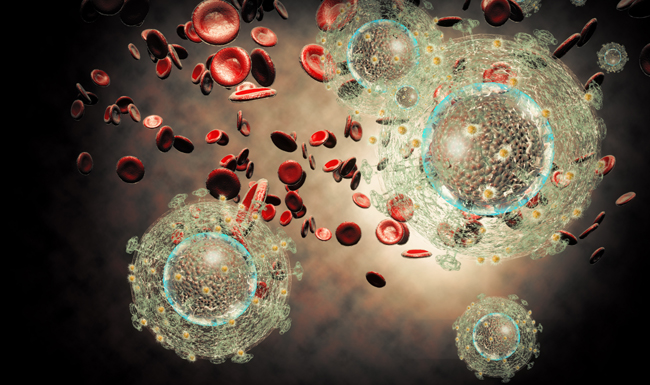
An Alternative Strategy For Treating Leukemia
Researchers have discovered that the GCN5 enzyme plays a key role in disrupting healthy white blood cell formation.

Carbon Nanotubes, Unzipped
Like folding paper to make a tear neater, doping carbon nanotubes makes it easier to unzip them without damaging their nanostructure.

Last Alkane Standing Finally Yields Its Bonds
A powerful combination of computational and experimental chemistry has yielded a catalyst which can break the extremely strong bonds of methane.

Superionic Crystals Could Replace Liquid Electrolytes
Researchers have designed two superionic crystals which could pave the way for safer all-solid-state batteries.

Replacing Lithium With Aluminum For Environmentally Friendly Batteries
This cheap and environmentally friendly battery could theoretically power a Tesla Model S for 560 km.