


Asian Scientist Newsroom

ABOUT
Asian Scientist Magazine is an award-winning science and technology magazine that highlights R&D news stories from Asia to a global audience. The magazine is published by Singapore-headquartered Wildtype Media Group.
Stories by Asian Scientist Newsroom

Fossils Suggest Hominids Had Larger Range Than Previously Thought
Australopithecus afarensis fossils found near Nairobi show that the range of ancient hominids extends to the east of the Great Rift Valley.

Tropical Ecosystems Pay Heavy Price For International Trade
Because they are underpaid for their products and face a disproportionate loss of ecosystem services, tropical countries are effectively subsidizing international trade to the tune of US$1.7 trillion per year.

Blocking MicroRNAs To Prevent Osteoporosis
Targeting the microRNA miR-214-3p, which is found at elevated levels in elderly females, could help to treat osteoporosis.
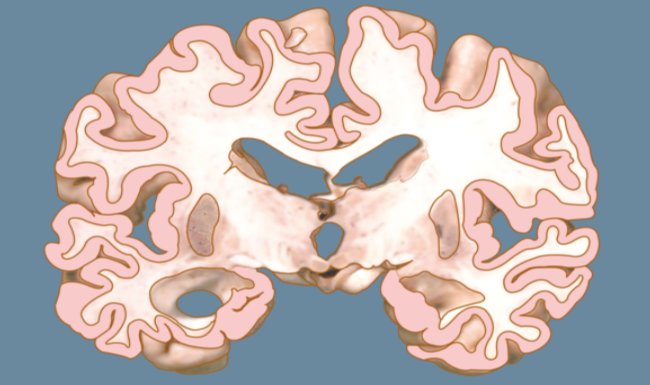
Treating Huntington’s With Gene Knockout Might Be Safe For Adults
Although deleting the huntingtin gene is lethal for young mice, it appears to safely treat the disease in adult mice.
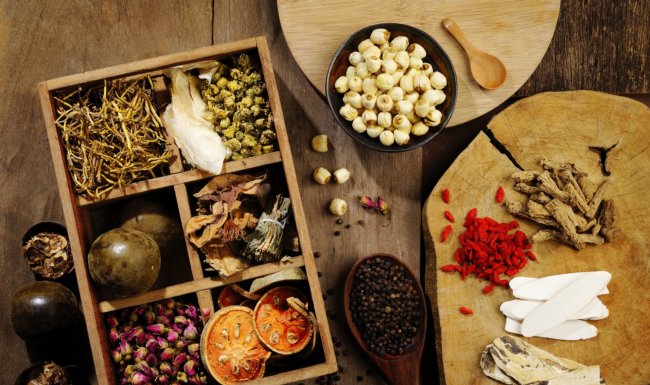
Traditional Chinese Medicines Often Contaminated With Mercury & Arsenic
Using a stringent two test method, researchers have found that 32 out of 32 traditional Chinese medicines tested were contaminated with mercury and arsenic.

Magnetars Could Explain Super Bright Supernovas
Neutron stars called magnetars could be the power behind super-luminous supernovae, which are 10 to 100 times brighter than normal supernovae.
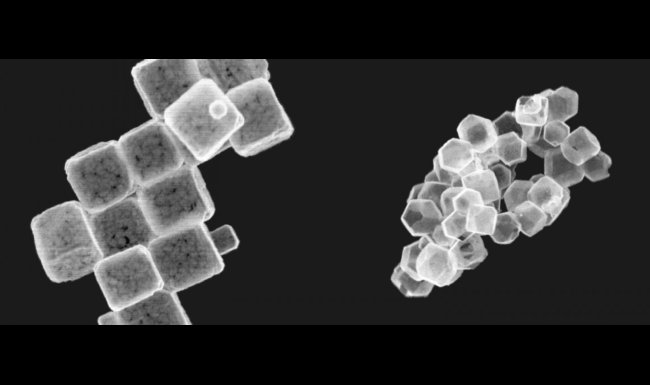
Morphing Crystals Into Nanocages
Using pre-existing crystal as molds, researchers have made nanocrystals morph into nanocages which can be used for drug delivery and solar panels.
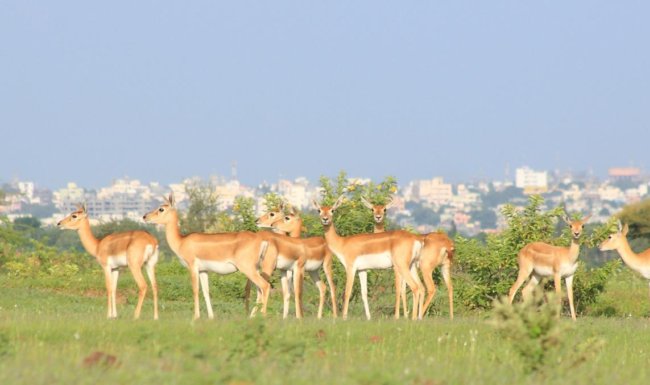
For Wildlife Sanctuaries, A Little Goes A Long Way
Micro-sanctuaries can help animals survive, particularly when located close to human-dominated landscapes.
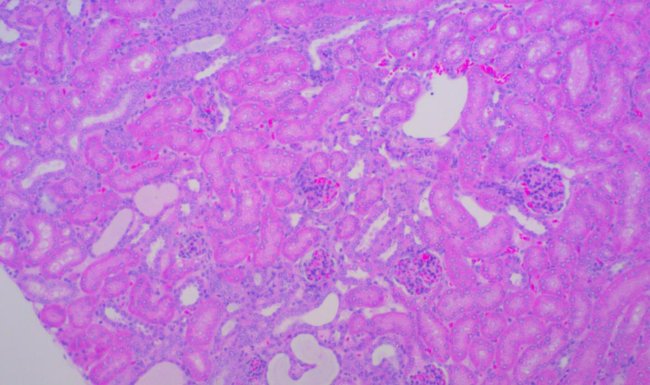
Small Molecule Drug Could Prevent Kidney Fibrosis
ETC159, currently in phase I trials for colorectal, ovarian and pancreatic cancers, could also be used to treat liver fibrosis.