


Asian Scientist Newsroom

ABOUT
Asian Scientist Magazine is an award-winning science and technology magazine that highlights R&D news stories from Asia to a global audience. The magazine is published by Singapore-headquartered Wildtype Media Group.
Stories by Asian Scientist Newsroom

How The Humble Newt Got Its Regenerative Powers
By observing muscle fiber cells in newts as they regenerated limbs, researchers now have a clearer picture of how they developed this exceptional ability.
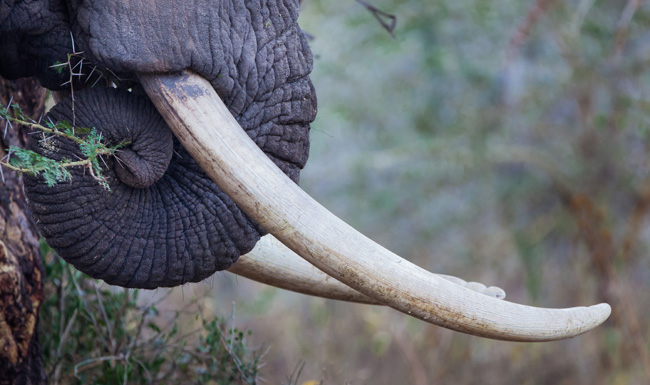
Elephant’s Ancestors Came From China
The world's oldest fossil of the elephant ancestor, Stegodon, has been found in China, suggesting that they only later migrated to Africa.

A Genomic Approach To Breeding Better Buckwheat
Researchers have sequenced the entire buckwheat genome, opening up possibilities for developing tastier, chewier and non-allergenic breads and noodles.

Simulations Reveal The Origin Story Of Supermassive Black Holes
Researchers have potentially uncovered how supermassive black holes form and grow to be immense in short periods of time.
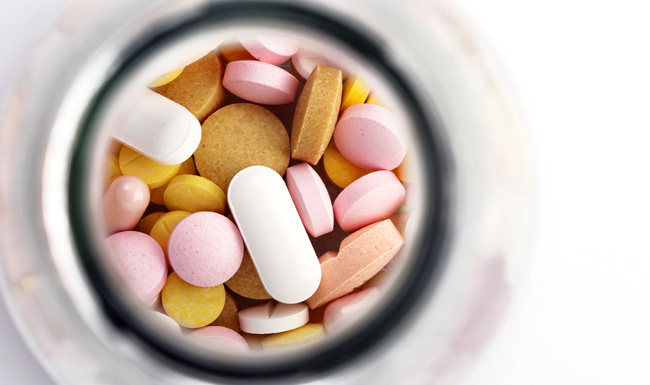
Researchers Find New Drug Combinations For Tuberculosis
Using feedback system control technology, researchers have sifted through combinations of 14 tuberculosis drugs to find faster, more effective treatments.

Skin Grown In The Lab, Hair And All
Researchers in Japan have successfully grown complex, fully functional skin tissue which could form proper connections with nerves and muscle fibers.

Asia Could Face Severe Water Stress By 2050
Economic and population growth—not to mention climate change—could lead to serious water shortages across Asia by 2050, with China and India the hardest hit.
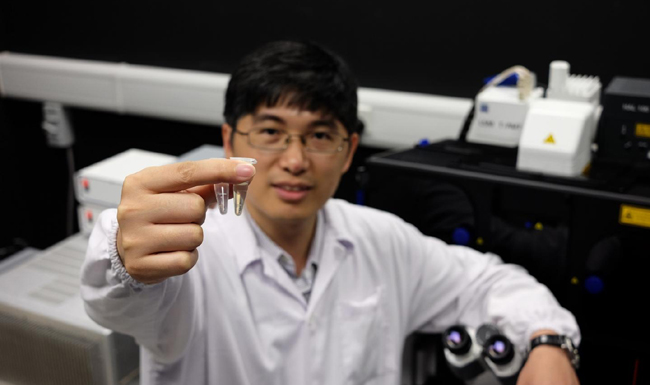
Fighting Antibiotic Resistance By Breaking Up Biofilms
Blocking the formation of biofilms can enhance bacterial susceptibility to antibiotics and prevent the development of resistance, scientists say.

Japanese Fund Invests In The Eradication Of Malaria & TB
GHIT Fund, a public-private partnership that seeks to nurture Japan's R&D, has invested in a malaria vaccine and rapid field test.