


Asian Scientist Newsroom

ABOUT
Asian Scientist Magazine is an award-winning science and technology magazine that highlights R&D news stories from Asia to a global audience. The magazine is published by Singapore-headquartered Wildtype Media Group.
Stories by Asian Scientist Newsroom

Layered Structure Helps Non-Magnetic Material Conduct Electricity
Contrary to theory, a non-magnetic compound has been found to conduct more electricity in a magnetic field.
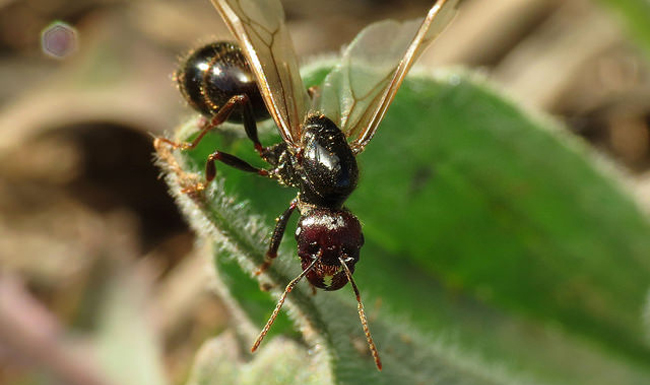
How Ant Queens Are Crowned
Teasing out the relationships between certain sets of genes may help to explain why some ants become workers and others become queens.

Consider The Fishermen When Saving Sharks
No-fishing zones should be implemented within a broader conversation strategy that takes fishermen's livelihoods into account, a study says.

Perovskite Solar Cells Made 30 Percent More Efficient
A rose petal-inspired design has helped improve the energy conversion efficiency of perovskite solar cells.
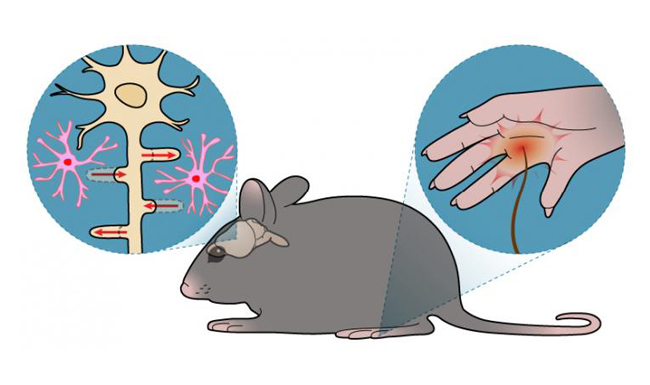
Brain Rewiring May Explain Chronic Pain After Nerve Damage
‘Reawakened’ astrocytes have been found to act as a sort of central processing unit that causes and sustains chronic pain.

Researchers Find Five Genes Associated With Glaucoma
These genes could represent new drug targets for primary angle closure glaucoma, which mainly affects ageing Asians.

Robots Could Get Touchy-Feely With This Transparent Smart Skin
This ultra-thin smart skin uses nine times fewer electrodes than other prototypes, and is self-powering too.

Antioxidant Diabetes Drugs May Encourage Cancer Spread
Antioxidants are by no means a universal panacea; this study shows that they may even accelerate the spread of existing tumors.
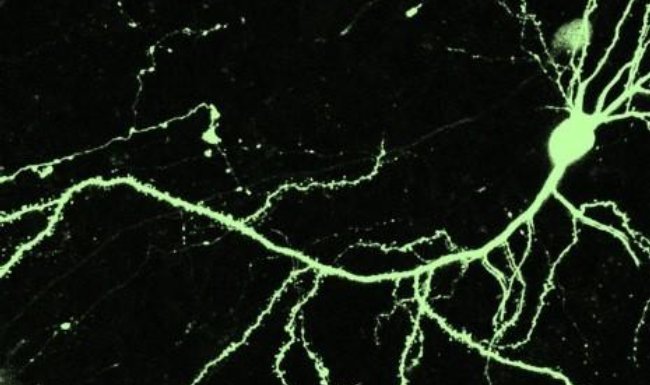
Brain Slices Show That Stress Messes Up Your Memory
A study in an in vitro system has shown that stress interferes with the development of new synapses required for new memories to form.