


Asian Scientist Newsroom

ABOUT
Asian Scientist Magazine is an award-winning science and technology magazine that highlights R&D news stories from Asia to a global audience. The magazine is published by Singapore-headquartered Wildtype Media Group.
Stories by Asian Scientist Newsroom

Sleepy During The Day? Blame Those Fries You Ate For Lunch
Men in Australia with high fat diets are more likely to experience daytime sleepiness and suffer from sleep apnea, researchers say.

China’s Torch Program Launches US$77 Million Australian Precinct
The US$77 million Torch Innovation Precinct at the University of New South Wales is the first such partnership outside of China.

Protein Found To Slow Onset Of Alzheimer’s
The protein interleukin-33, which regulates immune function, has also been found to reduce deposits of beta-amyloid plaques in the brains of mice.

Virus Structure Reveals Zika’s Unusual Heat Resistance
The Zika virus is stable even at 40°C, possibly explaining why high fevers do not rid the body of the infection.

Smartphone Batteries Go Solar To Light Rural Homes
Recycled smartphone batteries could power solar LED lamps in rural communities—and create jobs in the process.

Nanomagnetic Holograms For Glasses-Free 3D Viewing
Using nanomagnets, researchers have developed a holographic display system that has nano-sized pixels and can be viewed over a wide angle.

For Super-Sensitive Air Pollution Sensors, Just Add Graphene
Researchers have developed a graphene-based sensor that can detect even single molecules of indoor air pollutants such as carbon dioxide.

Cinnamon Compound Draws Stem Cells Into Wounds
Cinnamtannin B-1 has been shown to promote the migration of stem cells to wound sites in animal models, thereby accelerating healing.
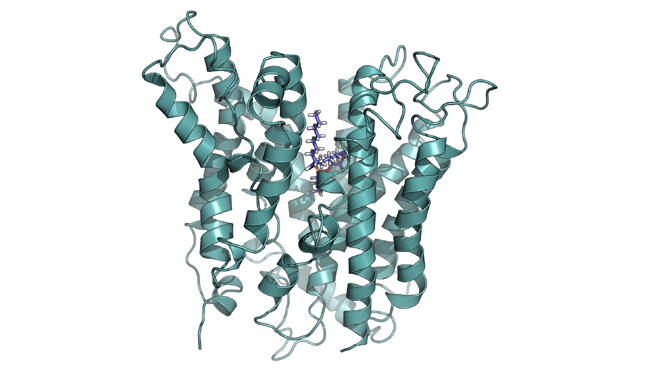
Opening A Gateway To The Brain
Insights into the structure of the blood-brain barrier protein Mfsd2a could lead to better drugs for brain tumors.