


Asian Scientist Newsroom

ABOUT
Asian Scientist Magazine is an award-winning science and technology magazine that highlights R&D news stories from Asia to a global audience. The magazine is published by Singapore-headquartered Wildtype Media Group.
Stories by Asian Scientist Newsroom

Vibrating, Magnetic Microbubbles Deliver The Drugs
These tiny drug- and iron oxide-coated gas bubbles can penetrate deep into cancer cells, with a little help from magnets and ultrasound.
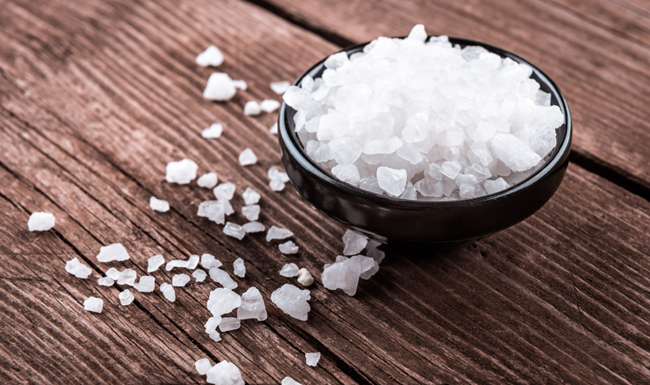
Recipe For Making Batteries: Add A Dash Of Salt
Researchers have found that using salt crystals as a template to grow thin sheets of conductive metal oxides make the materials turn out larger and more chemically pure.

Lipid Forms A ‘Police Car’ For Patrolling Lymphocytes
Lysophosphatidic acid acts as a scaffold for lymphocytes, allowing them to navigate quickly around small spaces in lymph nodes and fight off harmful antigens.

Graphene Oxide Triggers Autophagy To Clear Toxic PCBs
Pre-treating cells with graphene oxide helps them to resist exposure to toxic polychlorinated biphenyls by upregulating autophagy, researchers say.

Materials Scientist Awarded 32nd Japan Prize
Professor Hideo Hosono, the man behind liquid crystal displays for tablets and organic light-emitting diode displays for TVs, has been recognized for his achievements.

Why Do Our Mouths Feel Dry After Drinking Wine?
That strange, dry mouth feel after drinking wine happens when tannins in tannic acid bind with mucins on the tongue, causing friction on the tongue's surface.

An Antibody Approach To Preventing Sepsis
Research in mice suggests that a new antibody-based therapy could be a valuable weapon in the battle against sepsis.

Calcium Isotope Holds Clue To Neutrino Mass Mystery
The secret to determining the mass of neutrinos, which are thought to be both matter and antimatter, could finally be unlocked by experiments measuring the decay of calcium-48.

Just How Far Away Are Planetary Nebulae?
Astronomers have developed a method to more accurately estimate distances between the Earth and fascinating space phenomena known as planetary nebulae.