


Asian Scientist Newsroom

ABOUT
Asian Scientist Magazine is an award-winning science and technology magazine that highlights R&D news stories from Asia to a global audience. The magazine is published by Singapore-headquartered Wildtype Media Group.
Stories by Asian Scientist Newsroom

The Art Of Mathematics (VIDEO)
A mathematical artist from Iran has been blurring the lines between art and science with his beautiful, computer-generated artworks.

How Genes Jumped From Bacteria To Sea Squirts
A high proportion of Gs and Cs helped a bacterial gene become useful to sea squirts.

Language Ability Equally Affected By Nature And Nurture
Genetic and environmental factors have an equally strong influence on a pattern of brain activity associated with language ability.
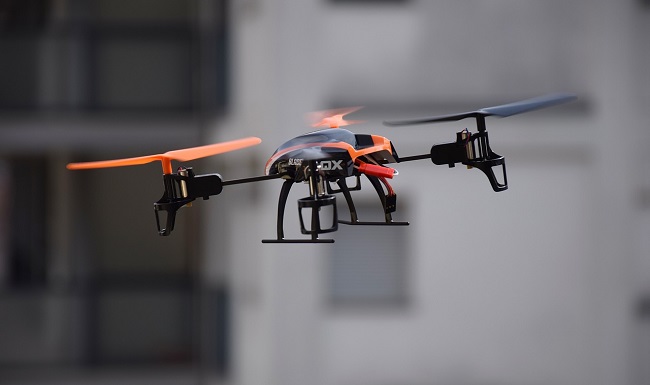
Managing Drone Traffic Over Singapore’s Skies
The Traffic Management of Unmanned Aircraft Systems initiative is researching how the rules that govern the sky should be crafted.

How CRY1 Controls The Body Clock
Specially designed knockout rescue mice have helped us understand how the circadian rhythm is regulated.

Why Perovskite Solar Cells Are Intrinsically Unstable
Iodine-based perovskite solar cells are relatively cheaper and more efficient than conventional solar cells but their stability might pose a problem.

Wan Yue & Shao Huilin Receive 2016 L’Oréal Singapore Fellowships
Drs. Wan Yue and Shao Huilin have been awarded the 2016 L’Oréal Singapore For Women In Science National Fellowships, each receiving a grant of S$30,000.

Caring Cyborgs
Robots may be good at following instructions, but could they also be our companions and caregivers?
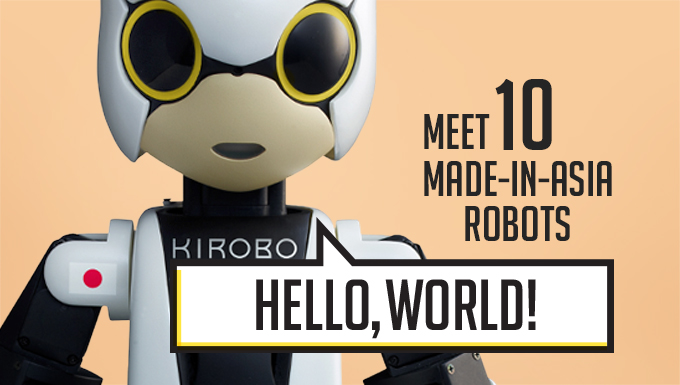
Hello, World! Meet 10 Made-In-Asia Robots
Here in tech-crazy Asia, robots occupy a special place in our hearts, homes and workplaces.