


Asian Scientist Newsroom

ABOUT
Asian Scientist Magazine is an award-winning science and technology magazine that highlights R&D news stories from Asia to a global audience. The magazine is published by Singapore-headquartered Wildtype Media Group.
Stories by Asian Scientist Newsroom

Reduced Rainfall Drying Up India’s Groundwater Reserves
When it comes to groundwater depletion in India, supply side factors may be more important than the amount of demand.

Democratizing The Digital Revolution
JN Medsys is striving to make digital PCR more accessible to labs in Singapore and beyond.

Underwater Plants Inspire More Efficient Solar Cells
Researchers in Korea have developed a new artificial leaf that can convert water into hydrogen with an efficiency of 7.7 percent.

Shimon Sakaguchi Wins 2017 Crafoord Prize
For his pioneering work in immune regulation, Professor Shimon Sakaguchi has been recognized with the 2017 Crafoord Prize in Polyarthritis.

Simply Being Near A Phone Found To Be Distracting
Just having a mobile phone nearby can affect your cognitive ability, especially if you seldom use the internet.
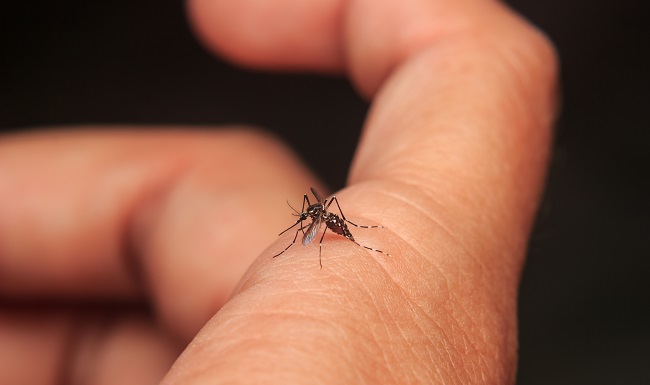
Dengue-Destroying Bacteria Can’t Take The Heat
A strain of Wolbachia bacteria being used for dengue control efforts around the world has turned out to be sensitive to high temperatures.

Cesarean Rate In China Not As High As Previously Thought
Research shows that cesarian delivery rate in China is lower than the World Health Organization's estimate.

A Single Traumatic Incident Could Change The Brain’s Architecture
A single traumatic experience can cause changes to the amygdala in rats, resulting in behavior similar to post-traumatic stress disorder.

How Do Microbes Respond To Climate Change?
How well a microbial community responds to climate change depends on the amount of nutrients available in the ecosystem, researchers say.