


Asian Scientist Newsroom

ABOUT
Asian Scientist Magazine is an award-winning science and technology magazine that highlights R&D news stories from Asia to a global audience. The magazine is published by Singapore-headquartered Wildtype Media Group.
Stories by Asian Scientist Newsroom

Editor’s Note – Supercomputing Asia January 2017
The debut issue of Supercomputing Asia features an exciting lineup of interviewees including Jack Dongarra, Fu Haohuan and Gordon Bell.

Asian Scientist Launches Asia’s First Supercomputing Magazine
Supercomputing Asia tracks the latest developments in Asia’s flourishing supercomputing landscape

These Dinosaurs Traded Teeth For Beaks As They Grew
What was thought to be two different dinosaurs turned out to be a single species at different stages of development.
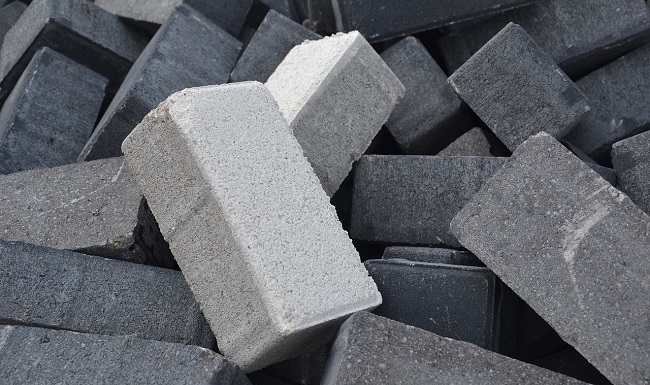
The Concrete Jungle Is Greener Than You Think
Cement production generates a lot of carbon dioxide, but the good news is it it also acts as a carbon sink.

Microwave Two Seconds For High Quality Graphene
A quick pulse in the microwave is enough to turn graphene oxide into high quality graphene, researchers say.

How Domestication Made The Jujube Sweet
Genes that make jujube fruits sweet played an important role in the domestication of this popular Asian fruit.

Putting A Spin On Artificial Intelligence
In a world's first, scientists have used spintronics technology to build an artificial neural network.

Eisai & Keio University To Pursue Innovation In Dementia Drugs
The collaboration taps on Keio University's strengths in iPS technology and supercentenarian research.

Feeling Inferior Makes People Eat More
Feeling socially inferior made people prefer unhealthy food and eat 65 percent more, study says.