


astronomy

China Builds World’s Largest Something
Just how accurate are the reports, chatter and hype surrounding China’s glittering new Five-hundred-meter Aperture Spherical Telescope?
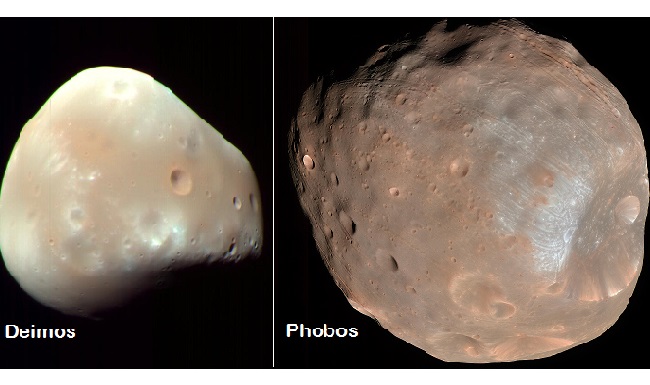
Mars’ Two Moons Arrived With A Bang
From 3D simulations, researchers have shown that the two Martian satellites, Phobos and Deimos, could have formed from a giant impact.

World’s Largest Single-Aperture Radio Telescope Opens Its Eye
The Five-hundred-meter Aperture Spherical Telescope in Guizhou, China will start operating in two to three months' time.

Chinese Satellite To Give Dutch Radio Antenna A Ride To The Moon
The radio antenna will detect radio waves, helping scientists find clues to the origins of the universe.
72 Years Of Analog Space Weather Data Goes Digital
Researchers have digitalized past analog recordings of space weather, shedding light on future patterns of plasma movement in near-Earth space.
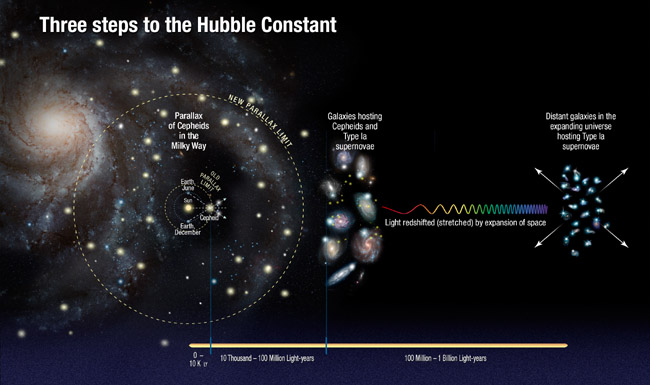
The Universe Just Got Larger
The Universe is currently expanding between five percent and nine percent faster than early in its life.
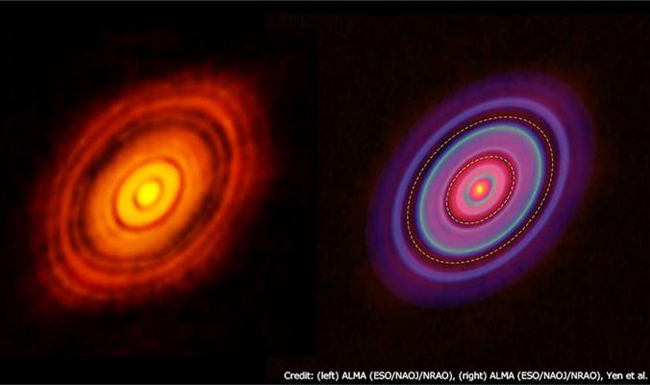
Gaps In Young Star’s Gas Disk Could Indicate Baby Planets
Two gaps in the gas disk around the young star, HL Tauri, are evidence of what might be newly-formed planets—challenging the belief that planets take millions of years to form.

Just How Far Away Are Planetary Nebulae?
Astronomers have developed a method to more accurately estimate distances between the Earth and fascinating space phenomena known as planetary nebulae.

Magnetars Could Explain Super Bright Supernovas
Neutron stars called magnetars could be the power behind super-luminous supernovae, which are 10 to 100 times brighter than normal supernovae.


