


astronomy

‘Observing’ Black Holes From The Comforts Of Home
Astronomers have found that black holes emit visible light during 'outbursts' of energy, allowing anyone with a home-use telescope to observe them.

Astronomers Reach For The Planetary Nebulae
Astronomers have developed a method to measure the size of planetary nebulae that works over a factor of more than six powers of ten in surface brightness.

Galaxies Were More Efficient When The Universe Was Young
Thanks to powerful space telescopes, scientists have captured the carbon monoxide emissions of starbursts in the early universe.

India’s Astrosat Takes Its First Images Of The Crab Nebula
India's first space observatory satellite has yielded its first results: images of the Crab Nebula, a supernova remnant in the constellation of Taurus.

Citizen Scientists Discover Potential Gravitational Lenses
Citizen scientists have helped to identify 29 new potential gravitational lenses, galaxies so huge that their gravitational force bends light.

Douglas Lin Wins 2015 Catherine Wolfe Bruce Gold Medal
Professor Douglas Lin has been awarded the 2015 Catherine Wolfe Bruce Gold Medal for his achievements in astronomy.
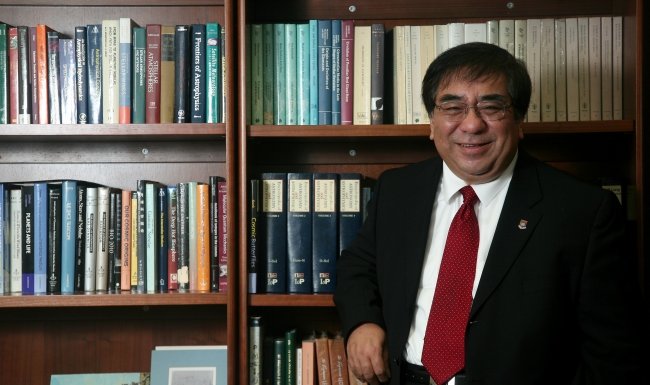
HKU’s Kwok Sun Elected President Of IAU’s Astrobiology Commission
Kwok has been selected to coordinate the International Astronomical Union's world-wide astrobiology research efforts.
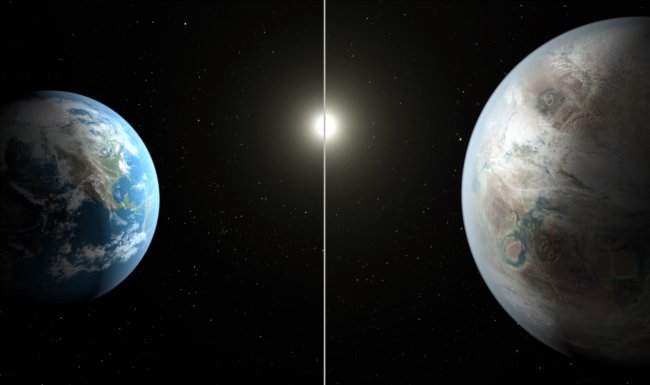
Earth-Like Potentially Habitable Planet Found
If it proves to have a suitable atmosphere, the newly discovered Kepler-452b is similar enough to Earth to be potentially habitable.

What Exactly Is The Mass Of A Supermassive Black Hole?
Scientists have made precise measurements of the supermassive black hole in the NGC 1097 galaxy, a finding that could help solve how galaxies evolved.


